
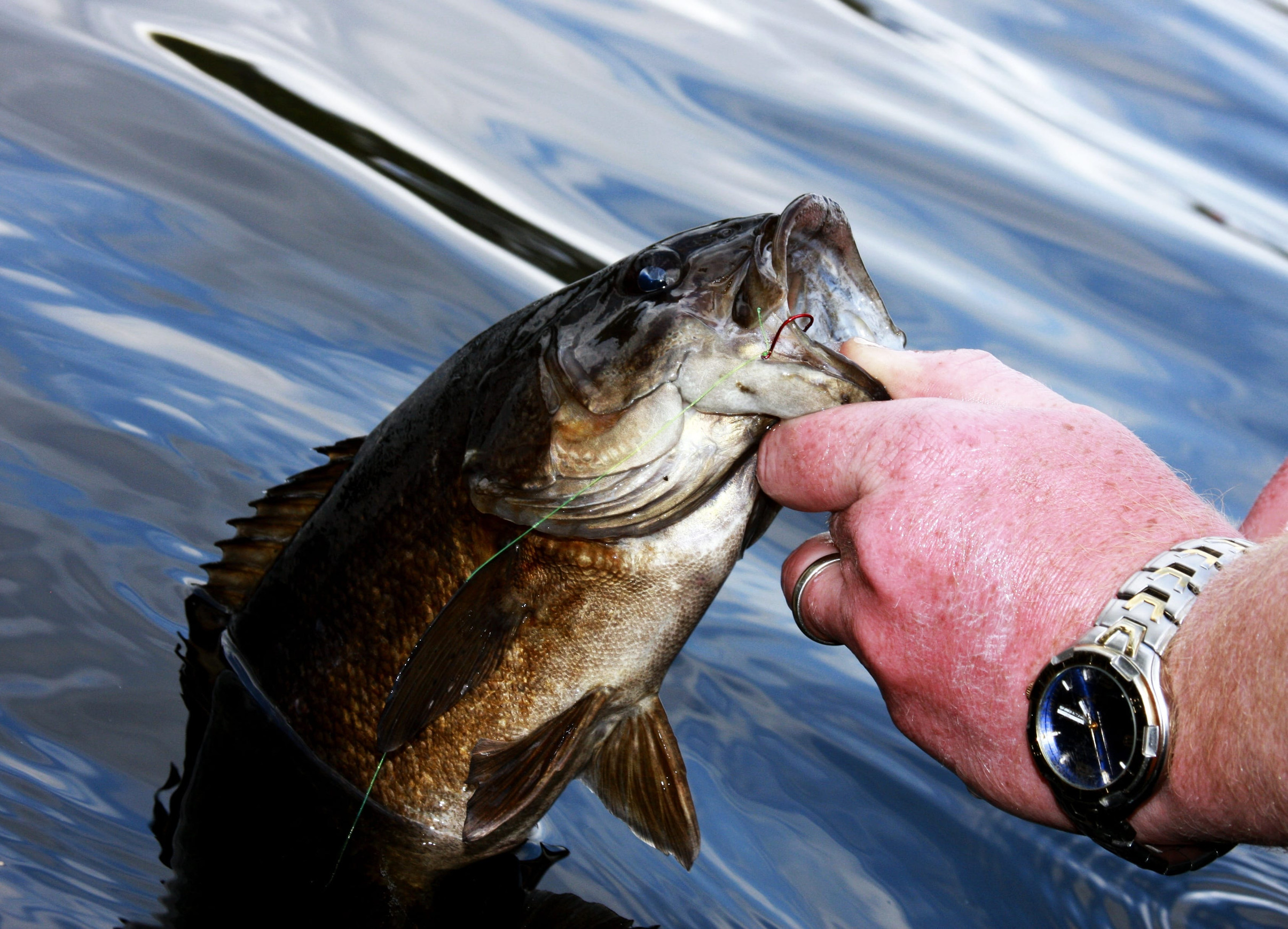
Fall brings a noticeable change to Minnesota lakes. Water temperatures begin dropping, vegetation changes, and bait fish move as the seasons transition. For bass anglers, those changes can mean adjusting where they fish, which lures they use, and how they present those lures.
But there’s another important consideration that anglers sometimes overlook: their fishing rod.
A rod that performs beautifully when casting heavy summer presentations through thick vegetation may not provide the same control when fishing lighter jigs, finesse plastics, or slower-moving baits in cooler water.
Choosing the right cold water bass fishing rod isn’t about finding one perfect rod for every situation. It’s about understanding how seasonal changes influence your fishing techniques and selecting equipment that supports those techniques.
From rod power and action to sensitivity, balance, and lure weight, several characteristics can make a difference. Here’s what Minnesota bass anglers should consider when preparing their equipment for fall.
Bass respond to changes in water temperature, daylight, forage availability, and habitat. As Minnesota lakes cool, fish may shift between shallow and deeper areas while following food sources.
The Minnesota Department of Natural Resources identifies spring and fall as productive times to fish shallower areas for bass, while deeper water becomes more important during summer heat.
However, fall doesn’t follow one predictable pattern.
Early September may still feel like summer. By late October, cooler water and deteriorating vegetation can create significantly different conditions.
Bass may feed actively during certain periods and become less willing to chase fast-moving presentations during others.
For anglers, successful fall bass fishing means paying attention to current conditions rather than assuming that every fish becomes inactive when temperatures drop.
Your rod should provide enough versatility—or technique-specific performance—to accommodate those changes.
The best bass fishing rods for cooler water share several important characteristics, but the ideal combination depends on how you fish.
A useful cold-water setup should consider:
No single specification determines whether a rod is suitable.
A lightweight finesse presentation requires different characteristics than a crank bait, spinner bait, or heavier jig.
The first step in choosing a cold water bass fishing rod is identifying the techniques you expect to use most often.
Rod power describes how much force is required to bend the blank.
For cold-water bass fishing, medium-light and medium-power rods can be useful for many lighter presentations, while medium-heavy power may be appropriate for heavier jigs, larger lures, or fishing around substantial cover.
The key is choosing enough power without overpowering the lure.
Lighter-power rods can help anglers manage smaller presentations that don’t provide enough weight to load a heavier blank effectively.
This can be particularly useful when fishing finesse plastics, smaller jigs, or other presentations where precise control matters.
A rod that’s unnecessarily powerful may feel stiff and disconnected when paired with a lightweight lure.
Not every fall presentation is delicate.
Bass may still hold around vegetation, wood, rocks, or other structure. Anglers using heavier lures or fishing demanding cover may need additional backbone.
A medium-heavy rod may be better suited to those situations.
The goal isn’t to use the lightest possible rod. It’s to select power that matches the lure, hook, line, cover, and fish.
Rod action describes where the blank bends under pressure.
Fast-action rods concentrate more of their initial flex toward the tip, while moderate-action rods bend farther down the blank.
Neither is automatically better for every fall presentation.
A fast-action rod can provide the responsive feel many anglers appreciate when fishing jigs, soft plastics, and other bottom-contact presentations.
That response helps anglers control the lure and recognize changes in pressure.
When a bass picks up a lure without producing a dramatic strike, the ability to recognize something different can be valuable.
Moderate-action rods can be useful when fishing crank baits and other moving presentations.
Their more progressive bend helps absorb pressure and can provide forgiveness when fighting fish on treble hooks.
This illustrates why choosing bass fishing rods by species alone can be misleading.
Two anglers may both be targeting bass in October but need different rods because one is fishing a jig while the other is casting crank baits.
Not every cold-water bass strike feels aggressive.
Sometimes an angler notices a small tap. Other times the lure suddenly feels heavier, the line moves unexpectedly, or the presentation stops before reaching bottom.
A sensitive rod helps communicate those changes.
Sensitivity also provides information about bottom composition, vegetation, and structure.
When fishing a jig, for example, recognizing the difference between rock, weeds, and a possible bite can help anglers understand what’s happening below the surface.
However, sensitivity isn’t determined by the blank alone.
Line, guides, reel seat, grip design, rod balance, and lure weight all influence how connected the setup feels.
For anglers evaluating a custom bass rod, sensitivity should be considered alongside the entire rod-and-reel combination.
Rod length affects casting distance, accuracy, leverage, and how a lure responds to movement.
A shorter rod may feel easier to manage when making precise casts around docks, wood, or other close-range targets.
A longer rod can help with casting distance, line control, and certain hook setting techniques.
Neither length is universally superior.
Your height, arm length, boat configuration, preferred techniques, and casting style all influence what feels comfortable.
A rod that’s perfect for one angler may feel awkward to another.
This is one reason individualized rod fitting can be valuable when selecting a cold water bass fishing rod.
Different cold water bass techniques place different demands on fishing equipment.
Rather than choosing a rod based only on the season, consider the presentations you’re most likely to use.
Smaller jigs and finesse plastics often benefit from a responsive rod with enough sensitivity to communicate bottom contact and subtle bites.
Appropriate power depends on lure weight, hook design, line, and cover.
Crank baits can create significant resistance during retrieval, particularly deeper-diving models.
A rod that loads progressively can help manage that resistance and maintain pressure when a fish strikes.
Jerk bait fishing involves deliberate rod movements to create the lure’s action.
Rod length, tip response, handle design, and action all influence how comfortably an angler can work the presentation.
When bass remain near substantial vegetation, wood, or other cover, additional rod power may be necessary.
The rod must provide enough control to manage the fish and surrounding structure without being unnecessarily heavy for the lure.
These examples demonstrate why technique matters more than selecting a rod simply labeled for fall fishing.
Lure weight is another important factor in fall fishing gear selection.
Every fishing rod has a working range in which the blank loads and responds appropriately.
A lure that’s too light for the rod may be difficult to cast effectively. One that’s too heavy can overload the blank and reduce control.
The lure’s behavior also matters.
A crank bait that pulls strongly through the water places different demands on a rod than a jig of similar weight.
When evaluating a rod, consider both the actual lure weight and the way the lure behaves during the presentation.
This becomes particularly important when switching between techniques as fall conditions change.
Fall fishing often involves repeated casting, changing presentations, and spending hours holding a rod.
That makes balance an important consideration.
A tip-heavy rod requires the angler’s wrist and forearm to continually compensate for the weight pulling forward.
Over time, that can become uncomfortable.
A properly balanced rod-and-reel combination tends to rest more naturally in the hand.
LakeLady Custom Fishing Rods considers the angler’s chosen reel during its building process, allowing the finished setup to be balanced around the equipment that will actually be used.
For anglers who spend long days casting, those details can matter as much as the specifications printed on the blank.
Mass-produced fishing rods must accommodate a broad range of anglers and techniques.
A custom bass rod can begin with more specific questions.
LakeLady Custom Fishing Rods starts its process by discussing the angler’s target species, fishing methods, and preferences. Rod length, power, action, materials, and other components are then considered around those needs.
LakeLady also uses hand and arm measurements to customize grip fit and balances the finished rod with the angler’s chosen reel.
For Minnesota bass fishing, this approach allows anglers to prioritize the characteristics that matter most to their preferred techniques.
An angler who primarily fishes finesse jigs may have different needs than someone who regularly casts crank baits or fishes heavy cover.
Custom fitting helps ensure those differences are considered during the design process.
Before changing your equipment, spend time evaluating how your current rod performs.
Ask yourself:
Your answers can help identify whether your current equipment fits your fishing style.
They can also provide valuable information when discussing specifications for a custom build.
Minnesota offers extensive opportunities for large mouth and small mouth bass fishing, but anglers should remain aware of current regulations.
The Minnesota DNR notes that fall small mouth bass fishing is catch-and-release only in much of the state.
Fishing seasons, harvest restrictions, and special regulations can vary by water-body. Reviewing the current regulations for the lake or river you’re fishing is an important part of planning a trip.
Responsible fishing practices help preserve Minnesota’s bass fisheries for future seasons.
Cold-water bass fishing isn’t about replacing every piece of equipment when autumn arrives.
It’s about understanding how changing conditions influence bass behavior and selecting presentations that fit those conditions.
Your fishing rod should support those presentations.
Power determines how much force is needed to bend the blank. Action influences how the rod responds. Sensitivity helps communicate what is happening at the lure. Length affects casting and control, while balance and grip design influence comfort.
When those characteristics work together, the entire setup can feel more natural and precise.
The best cold water bass fishing rod isn’t necessarily the most expensive, longest, lightest, or most powerful option.
It’s the rod that matches your preferred techniques, lure weights, fishing conditions, and personal preferences.
For anglers enjoying fall bass fishing across Minnesota, that thoughtful approach can make time on the water more comfortable, controlled, and rewarding.
For information about custom bass rods, rod power and action, individual fitting, reel balance, or the LakeLady rod-building process, contact:
LakeLady Custom Fishing Rods
29297 Piney Way
Breezy Point, MN 56472
Phone: (218) 251-2626
Email: rodbuilder@lakeladyrods.com