
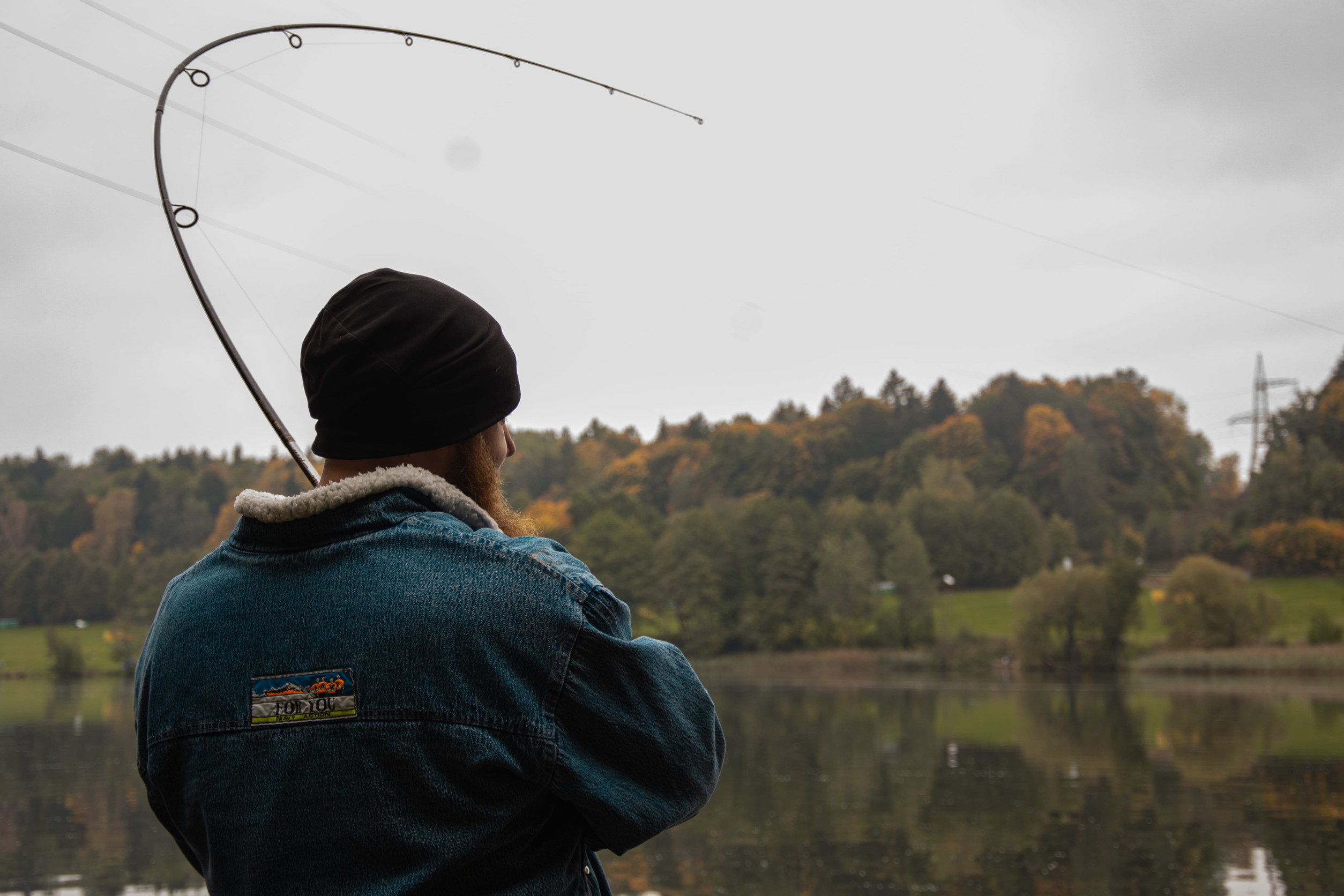
Fall fishing changes Minnesota’s waters in several ways. During fall fishing, water temperatures drop and vegetation shifts as daylight shortens. Fish adjust locations and feeding patterns accordingly. Shifts in weed beds, baits, and fishing spots follow the fish. This pattern emphasizes patience and observation for successful outings.
Additionally, anglers adapt techniques, lure choices, and where they spend their time on the water. Understanding how daylight and temperature influence fish helps you plan productive trips. Persistent observation and flexible tactics improve success as seasons transition. Plan your days by checking local conditions and recent catches.
One part of the fall transition that can easily be overlooked is the fishing rod.
First, the rod that felt perfect for a summer presentation may not be ideal.
Additionally, when you fish different depths, increase lure weight, or switch techniques, its suitability changes.
Moreover, choosing the right fall fishing rods in Minnesota isn’t simply about buying heavier or lighter equipment.
Therefore, it is about matching the rod to what you are asking it to do.
Whether you’re interested in fall fishing or chasing bass as temperatures drop, your rod setup matters.
Additionally, it can make your time on the water more productive and enjoyable.
Minnesota anglers know how quickly conditions can change once summer begins giving way to fall. Warm afternoons can be followed by cold nights, and water temperatures gradually decline as daylight shortens.
Fish respond to those changing conditions.
For example, the Minnesota Department of Natural Resources notes that in late summer and early fall, walleye gradually begin moving back toward shoreline locations, although some fish remain in deeper water. The DNR identifies shallow and semi-shallow weedlines, gravel bars, and points as productive areas for fall trolling.
Bass patterns change as well. Minnesota DNR guidance notes that spring and fall are good times to fish shallower areas for bass, while deeper water becomes more important during the heat of summer.
For anglers, these movements create new opportunities, but they can also require different presentations. You might spend one outing jigging and another casting crankbaits. You may work deeper structure early in the day and move toward shallower areas later.
Your rod needs to complement those techniques rather than work against them.
There is no single perfect “fall rod.” The best setup depends on the species, lure, technique, water, and angler.
A good fall fishing setup should consider several characteristics together:
Each characteristic affects how the setup performs.
A rod used for subtle jig presentations requires different qualities than one used to throw heavier moving baits. Likewise, a setup for fall fishing may need to handle vegetation or cover differently than a rod designed primarily for open-water walleye presentations.
Instead of asking, “What is the best fishing rod for fall?” a more useful question is, “What do I plan to do with this rod during the fall?”
For many Minnesota anglers, fall and walleye fishing naturally go together. Cooler conditions can create excellent opportunities as fish transition into fall patterns.
The Minnesota DNR identifies several common walleye techniques, including jig-and-minnow fishing, trolling live bait, casting or trolling hard plastic lures, and bobber fishing. That variety alone demonstrates why the rod matters.
When jigging for walleye, sensitivity can be especially valuable. You want to understand what is happening at the other end of the line. Is the jig touching bottom? Did it contact a rock? Is it moving through vegetation? Was that small change in pressure a bite?
A well-matched rod can make those distinctions easier to recognize.
The DNR recommends using a jig heavy enough to maintain bottom contact without making it unnecessarily heavy. That makes rod and lure compatibility important. A rod that is too powerful for a lightweight presentation may not load or communicate the lure naturally, while a rod that is overwhelmed by the lure can feel less controlled.
Fall walleye fishing can also involve trolling hard baits around weedlines, gravel bars, and points. That creates a different set of demands than vertical jigging.
The lure itself may create resistance, and the rod must manage that load while still allowing the angler to recognize changes in lure behavior and strikes.
This is why selecting fishing rods for fall by species alone can be misleading. Two anglers can both be targeting walleye while needing very different rod characteristics because they fish differently.
Minnesota bass anglers also have plenty of reasons to stay on the water during fall.
As seasonal patterns shift, anglers may find themselves working shallower structure, weedlines, rocky areas, wood, or other cover. The Minnesota DNR notes that more than 2,000 Minnesota lakes support self-sustaining largemouth bass populations, while more than 500 support small-mouth bass.
Fall techniques can include crankbaits, spinnerbaits, jigs, swimbaits, and other moving or bottom-contact presentations.
That variety places a premium on matching the rod to the technique.
A rod needs sufficient power to manage the fish and the environment. When fishing around vegetation or heavier cover, an angler may want more backbone than when working an open-water finesse presentation.
However, more power isn’t automatically better.
Using an unnecessarily heavy rod can reduce some of the feel and loading characteristics that make lighter presentations effective. The goal is to select enough power for the lure, cover, hook, line, and target fish without overpowering the entire setup.
Rod action describes where the blank begins to flex under load. Faster-action rods concentrate more flex toward the tip, while moderate actions generally bend farther into the blank.
Neither is universally better.
Different actions complement different techniques. Some presentations benefit from a responsive tip and strong backbone, while moving baits may perform well with a rod that loads more progressively.
For fall bass fishing, thinking about the lure and technique before choosing the rod can produce a much more useful setup.
One of the easiest fishing rod specifications to overlook is lure weight.
Fall fishing can cause anglers to change lure sizes as they experiment with depth, speed, profile, and presentation. Those changes can affect how a rod casts and performs.
A fishing rod blank needs to load during a cast. If the lure is too light for the rod, the blank may not load effectively, making casting feel stiff or awkward. If the lure is too heavy, the rod may become overloaded and difficult to control.
Ideally, your frequently used fall lures should fit comfortably within the intended range of the rod.
But weight is only part of the equation. Two lures weighing the same amount can place very different demands on a fishing rod. A compact jig and a deep-diving crankbait may have identical weights on a scale, but the crankbait can create considerably more resistance while moving through the water.
When evaluating fall fishing rods in Minnesota, consider both lure weight and how the lure behaves once it is in the water.
Rod performance isn’t only about what happens underwater. Fall weather changes the experience above the surface, too.
Cold mornings, wind, heavier clothing, and long hours holding a rod can make ergonomics more noticeable. A setup that feels slightly uncomfortable during a quick test at home can become much more noticeable after several hours of casting.
Grip size, grip length, reel position, rod weight, and overall balance can all affect comfort.
LakeLady Custom Fishing Rods incorporates individual hand and arm measurements into its custom fitting process. The rod is also balanced with the angler’s chosen reel, allowing the rod and reel to be considered as a complete fishing system rather than separate pieces of equipment.
That approach can be particularly valuable for anglers who spend long fall days on the water.
Balance is one of those fishing rod characteristics that is difficult to appreciate by reading specifications.
Two rods can have similar lengths, powers, and weights but feel completely different once reels are installed.
A tip-heavy setup may require the angler to constantly compensate with the wrist and forearm. Over hundreds of casts, that small amount of additional effort can become noticeable.
A balanced rod-and-reel combination tends to rest more naturally in the hand. That can be helpful whether you are repeatedly jigging, casting along a weedline, or working moving baits across a rocky point.
LakeLady’s rod-building process specifically considers the reel selected by the angler when balancing a custom rod. That is an important distinction because anglers fish with complete setups—not rods by themselves.
The rod shouldn’t be considered in isolation from fishing line either.
Braided line, fluorocarbon, and monofilament have different characteristics, and those differences can influence how the complete setup feels. Line diameter, stretch, visibility, sensitivity, and abrasion resistance may all factor into the decision.
For example, an angler prioritizing sensitivity with a particular presentation may choose a line combination that communicates subtle changes effectively. Another angler fishing around heavy cover may place more emphasis on strength and abrasion resistance.
Line choice also needs to complement the rod’s power, action, lure, and intended technique.
The best fall setup is usually the result of components working together rather than one piece of equipment compensating for everything else.
One of the challenges—and attractions—of Minnesota fall fishing is how quickly things can change.
A September afternoon may feel almost like summer. A few weeks later, the same lake can look and fish very differently. Fish location can change, vegetation can decline, water temperatures continue dropping, and anglers often adjust presentations throughout the season.
Versatility therefore has value.
But versatility doesn’t mean expecting one fishing rod to perform every technique equally well.
A useful approach is to consider the presentations you actually use most often. Think about your typical lure weights, target species, fishing depths, cover, and whether you primarily cast, jig, troll, or use a combination of techniques.
For example, ask yourself:
Those answers tell you far more about the rod you need than simply shopping for a “walleye rod” or “bass rod.”
The advantage of custom fishing rods in Minnesota is the ability to start with the angler and technique instead of asking the angler to adapt to a standardized rod.
LakeLady Custom Fishing Rods begins its process with a consultation about the rod type, target fish, fishing method, and the angler’s preferences. From there, decisions can be made about materials, rod length, power, action, grip, guides, and other details.
LakeLady also uses hand and arm measurements to customize the fit and balances the finished rod with the angler’s chosen reel.
This doesn’t mean an angler needs a different custom rod for every possible fall presentation. Rather, customization provides an opportunity to identify the techniques that matter most and build around those priorities.
An angler who spends most of October jigging for walleye has different needs than someone casting for bass. A multi-species angler may value versatility, while a technique-focused angler may prefer a more specialized setup.
The right answer depends on how you fish.
Fall anglers should also remember that fishing regulations can vary by species, location, and individual body of water.
This is particularly important when targeting bass. Minnesota DNR regulations include seasonal differences for harvest and catch-and-release fishing, and certain waters may have special regulations. Walleye regulations can also vary on border waters and lakes with special or experimental rules.
Always check the current Minnesota fishing regulations for the specific lake or river you plan to fish rather than relying solely on general statewide information.
Good fall fishing preparation includes more than tackle.
There is no universal formula for the perfect fall fishing rod.
Minnesota anglers encounter too many different species, lakes, techniques, weather conditions, and personal preferences for one combination to be ideal for everyone.
What does matter is compatibility.
Your rod power should make sense for the lure and target species. Action should complement the technique. Lure weight should fall within an appropriate range. The reel should work with the rod rather than making it awkwardly balanced. The grip should feel comfortable during repeated casts, and the entire setup should help you control the presentation.
That’s the real reason your rod setup matters during fall fishing in Minnesota.
Fall creates some memorable opportunities on Minnesota waters, from jigging for walleye on a cool morning to casting for bass along changing vegetation and rocky structure. The right equipment doesn’t replace experience, location, or technique, but it can make it easier to execute those techniques effectively.
For anglers evaluating fall fishing rods in Minnesota, start with a simple question: How do I actually fish in the fall?
Once you know the answer, choosing the right rod becomes much more straightforward.
For anglers interested in learning more about rod fit, fishing techniques, custom specifications, or the LakeLady rod-building process, LakeLady Custom Fishing Rods can be contacted at:
LakeLady Custom Fishing Rods
29297 Piney Way
Breezy Point, MN 56472
Phone: (218) 251-2626
Email: rodbuilder@lakeladyrods.com