
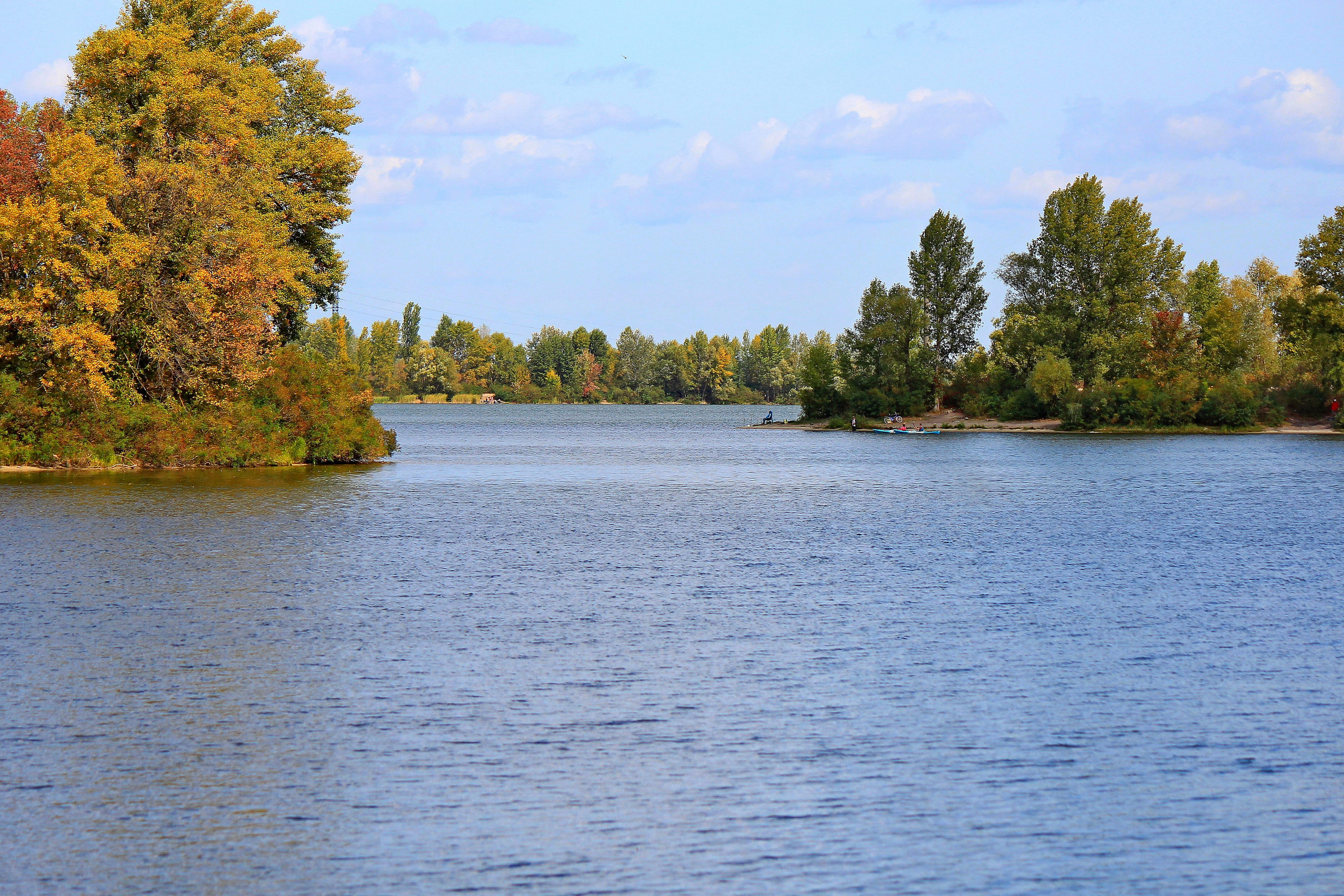
Fall can be one of the most rewarding times to chase walleye in Minnesota, but it can also leave anglers wondering why techniques that worked beautifully in July suddenly feel less effective. As water temperatures fall, conditions change below the surface. Walleye may relocate, forage patterns shift, and the speed, depth, and style of your presentation may need to change with them.
Your fishing rod should change with the situation, too—or at least be well suited to the techniques you plan to use.
Successful fall walleye fishing is not about finding one magic rod, lure, or retrieve. It is about understanding how cooler water influences fish behavior and then matching your equipment to the presentation. Rod action, power, sensitivity, lure weight, balance, and line choice all play a role.
For Minnesota anglers preparing for cooler days on the water, understanding those connections can help make each presentation more deliberate and each bite easier to recognize.
Minnesota lakes go through a major transition as summer fades. Shorter days and cooler nights gradually bring water temperatures down, while vegetation begins changing and bait fish movements can shift. Walleye respond to their environment, so anglers often need to adjust along with them.
Early fall can still resemble late summer on some lakes. Fish may remain spread across a variety of depths and structures. As the season progresses, however, anglers often encounter walleye around shoreline-related structure, weed edges, gravel, points, drop-offs, and other areas that provide access to forage.
The key lesson is simple: fall walleye are not necessarily in the same places doing the same things all season long.
That makes adaptability especially important during Minnesota walleye fishing in September, October, and beyond. Instead of relying on one summer pattern, pay attention to water temperature, depth, structure, bait fish, wind, and the type of presentation that is producing bites.
Walleye anglers have many techniques available to them. Jigging, live-bait presentations, casting crank baits, trolling, and other approaches can all have a place in fall.
The challenge is that those presentations ask very different things from a fishing rod.
A rod used for jigging needs to help communicate bottom contact and subtle changes in pressure. A rod used for casting moving baits needs to load appropriately during the cast and control the lure during the retrieve. A trolling setup may benefit from completely different action and power characteristics.
That is why selecting walleye fishing rods based only on the species can be limiting. A better approach is to start with the technique.
Ask yourself: How am I most likely to fish for walleye this fall?
The answer should influence your rod setup.
One of the biggest priorities for many fall anglers is sensitivity.
Not every walleye bite feels like a hard strike. Sometimes you feel a distinct tap. Other times the rod simply feels heavier. A jig may stop falling sooner than expected, the line might move slightly, or the pressure at the end of the rod may suddenly change.
When fishing cold water walleye, recognizing those small differences can be important.
A sensitive rod helps transmit information from the lure, through the line and blank, and into your hand. That feedback does more than help detect fish. It can also help you recognize bottom composition, weeds, rocks, and changes in how your lure is moving.
For jigging applications, look at the entire system rather than focusing only on the blank. Rod action, power, guide configuration, grip, reel, line, and balance can all affect how connected you feel to the presentation.
Jig weight is another important part of fall walleye techniques. You generally want enough weight to maintain useful contact with the presentation without automatically using more weight than the conditions require.
Depth, wind, current, boat movement, and line diameter can all influence how much weight feels appropriate.
Your rod needs to match that weight range.
If you are using a lure that is too light for the rod, the blank may not load effectively during a cast and the presentation can feel disconnected. If the lure is too heavy, the rod may feel overloaded and less precise.
The goal is balance.
A properly matched walleye rod setup should allow you to cast or drop the presentation efficiently, maintain control, recognize bottom contact, and detect changes without fighting the equipment.
Rod action describes where the blank bends when pressure is applied. Fast-action rods concentrate more flex toward the tip, while more moderate actions allow the blank to bend farther down.
Different actions suit different fishing situations.
For many jigging techniques, anglers appreciate a responsive tip combined with enough backbone farther down the rod to provide control. Moving baits can place different demands on the blank and may benefit from a rod that loads differently.
There is no single action that makes every fall walleye technique better.
Instead, consider how you want the rod to behave. Do you need crisp response for bottom-contact fishing? Are you repeatedly casting? Are you trolling a lure that creates resistance? What size hooks are involved? How much line is typically between you and the fish?
Thinking about these questions makes rod action much easier to understand than simply choosing whatever specification happens to be popular.
Power refers to how much force is required to bend the rod. Choosing the right power is another balancing act.
Too much power for a light presentation can make a rod feel overly stiff. Too little power for the lure, fishing conditions, or fish can make the setup feel overwhelmed.
Your ideal power depends on several factors, including:
For fall fishing in Minnesota, anglers may change lure sizes and techniques as conditions evolve. A rod with an appropriate working range can provide useful versatility, while anglers who specialize in a particular technique may prefer a rod built much more specifically around that presentation.
Sensitivity receives plenty of attention in walleye fishing, but balance matters too.
A tip-heavy rod requires your hand and wrist to continually compensate for the weight pulling forward. That may not seem significant during the first few minutes of fishing, but after several hours of jigging or casting, the difference can become noticeable.
A well-balanced rod-and-reel combination tends to rest more naturally in the hand. This can improve comfort and help you maintain a consistent fishing position without constantly adjusting your grip.
LakeLady Custom Fishing Rods considers the angler’s chosen reel as part of the custom-building process. That allows the finished rod to be balanced as part of an actual fishing setup rather than evaluated as a rod alone.
For anglers spending long fall days on Minnesota lakes, that detail can matter.
The rod cannot communicate information that never reaches it, which means fishing line deserves attention when putting together a fall setup.
Different line materials have different levels of stretch, visibility, abrasion resistance, and handling characteristics. Some setups prioritize direct feedback, while others require different characteristics because of water clarity, structure, lure type, or presentation.
The important point is to treat your line as part of the complete system.
Your walleye rod setup includes the rod, reel, line, leader when applicable, and lure. Changing one component can affect how the others perform.
This systems approach becomes especially valuable when fine-tuning presentations for cooler water.
Temperature can also influence the way anglers present lures. Fall is a transition rather than one single condition, so an approach that works during relatively mild early-fall weather may need adjustment later in the season.
Experiment with retrieve speed, jigging cadence, pauses, trolling speed, and lure depth rather than assuming one pace will work throughout fall.
Slowing down does not automatically mean barely moving the lure. The goal is to observe how fish respond and adapt.
If a faster presentation produces nothing, change it. If walleye are responding aggressively, there is little reason to fish painfully slowly simply because the calendar says October.
Good fall walleye fishing involves responding to actual conditions rather than rigid seasonal rules.
Rod setup matters, but equipment cannot compensate for fishing where the walleye are not.
Spend time identifying productive structure and depth before continually changing lures. Pay attention to weed edges, points, gravel, transitions, depth changes, bait fish activity, and conditions that concentrate fish.
Fall wind can also affect where bait and feeding activity develop.
Once you locate fish, your equipment helps you present the lure effectively. That is where the right combination of rod sensitivity, action, power, lure weight, and line becomes especially useful.
Think of your rod as the communication link between you and the presentation—not as a substitute for finding fish.
A factory-built rod has to work for a broad range of anglers. Custom fishing rods in Minnesota can begin with a much narrower question: How does this particular angler fish?
LakeLady Custom Fishing Rods starts its process with a discussion of the target fish, fishing method, rod preferences, and intended use. Decisions about length, action, power, materials, grip dimensions, and other details can then be made around those needs.
LakeLady also uses hand and arm measurements to help customize fit and balances the rod with the angler’s chosen reel.
For a dedicated walleye angler, that can mean building around a preferred technique rather than adapting to generic specifications. An angler who spends most of the fall vertical jigging may have different priorities than someone who primarily casts or trolls.
Custom does not have to mean complicated. It means the decisions have a reason.
Before changing equipment, spend some time evaluating what you already use. The next time you fish, pay attention to how your rod performs rather than simply whether you catch fish.
Ask yourself:
Those answers can tell you much more than the name printed on the blank.
The biggest lesson of fall walleye fishing is not that everything must suddenly change once temperatures drop. It is that anglers should pay attention to what is changing and adjust accordingly.
Walleye locations can shift. Lure weights may change. Jigging, casting, or trolling may become more or less productive depending on the lake and conditions. Presentation speed can require adjustment, and cooler weather can make equipment comfort more noticeable during long days on the water.
Your fishing rod sits at the center of those decisions.
The right walleye fishing rods should complement the techniques you use, provide enough sensitivity to understand the presentation, offer appropriate power and action, and feel balanced in your hands.
Fall fishing in Minnesota is full of transitions. Rather than fighting those changes, use them to refine your approach.
When your location, presentation, and rod setup work together, you are better prepared to recognize what the fish are telling you—and adapt as the water continues to cool.
For questions about custom walleye rods, rod action and power, technique-specific setups, custom fitting, or the LakeLady rod-building process, LakeLady Custom Fishing Rods can be contacted at:
LakeLady Custom Fishing Rods
29297 Piney Way
Breezy Point, MN 56472
Phone: (218) 251-2626
Email: rodbuilder@lakeladyrods.com