
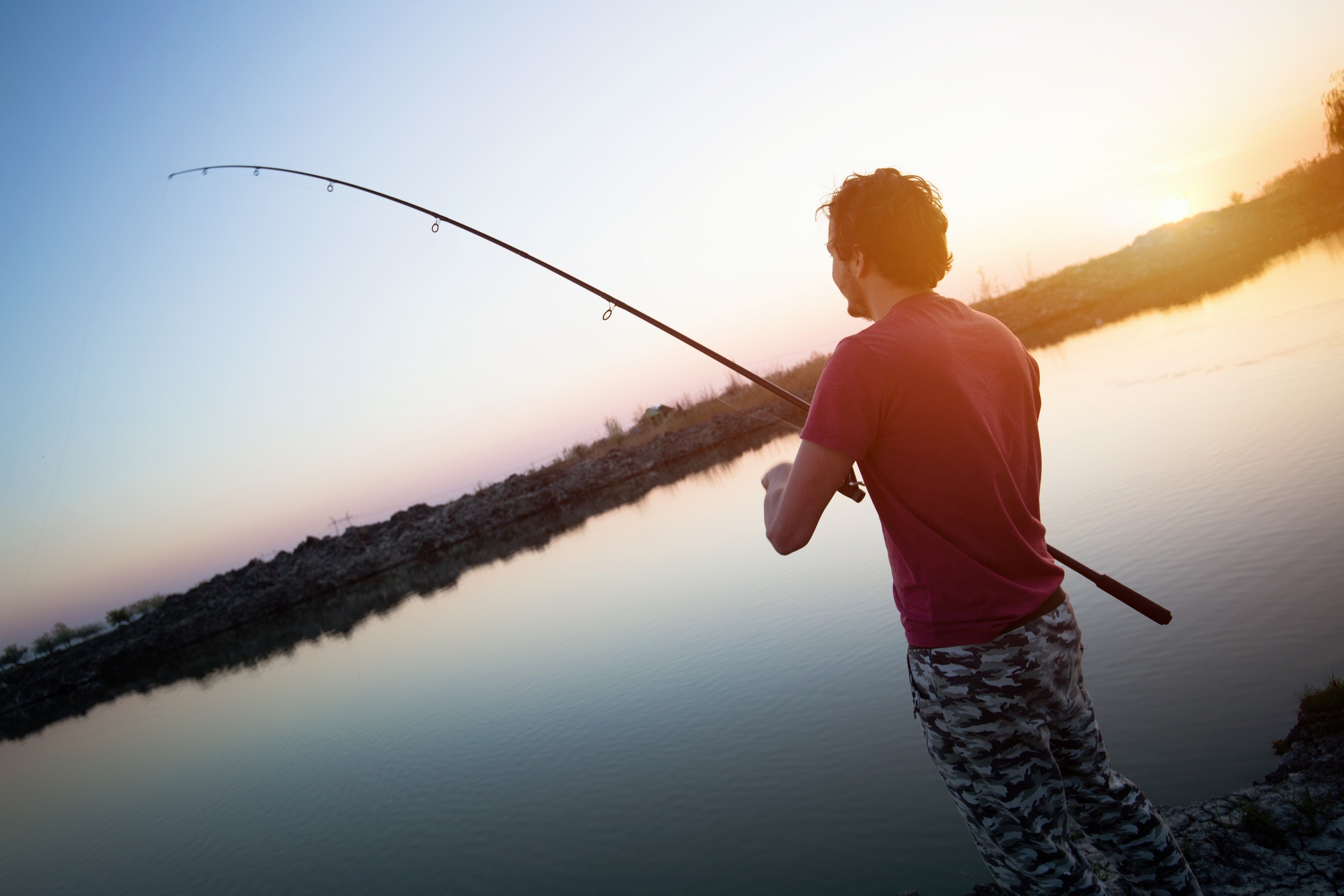
Fishing is more than simply casting lines and hoping for a bite. For many anglers, it’s a craft, a connection to water and wilderness, and an ongoing journey of refinement. At the heart of that is the gear—the things you hold, feel, and rely on when a fish strikes. On the LakeLady website we see how they champion rods built for the individual: not mass-produced, one-size-fits-all tools, but bespoke instruments of performance. In this post we’ll explore why investing in a custom fishing rod makes sense, walk through the key elements you should look for, and tie it into how LakeLady’s craftsmanship stands out. (No hard sells—just reference and insight.)
One of the most compelling reasons to go custom is that it allows your rod to align with your fishing style—target species, casting distance, technique, even your body. As the LakeLady blog puts it: “Whether you’re drop-shotting for smallmouth, trolling for walleye, or chasing pike… a custom rod is tailored to the way you fish.” And third-party guides concur: factory rods are built for the average angler, whereas custom rods let you optimize.
This means you could choose a blank with a specific action (fast, moderate), a handle length that fits your arm reach, grip material that suits your hand, and a guide layout that enhances line flow for your preferred technique.
Custom-fit means better comfort, better control, and less fatigue.
Fishing isn’t just about brute force. It’s about finesse. The ability to detect subtle bites, feel what’s happening in the water, and react accordingly often separates a good trip from a great one. According to multiple sources, custom rods deliver superior sensitivity because the components (blank, guides, reels seat, handle) are thoughtfully chosen and integrated.
On the LakeLady site it says: “You’ll notice small bites sooner, feel changes in structure more clearly, and make more precise casts.”
When you combine that feel with a rod built to your technique, you elevate your potential to land that next big catch.
Another benefit often overlooked: longevity. Mass-market rods often rely on cost-effective materials, standardized construction, and may compromise on component quality. Custom builders, by contrast, tend to source higher-quality blanks, premium guides, reel seats, and wrap finishes. One article reminds us that custom rods are not simply for vanity—they can last significantly longer when built right.
For LakeLady, with over 25 years of craftsmanship embedded in their process, durability is built into the promise.
If you fish frequently, in challenging conditions (ice fishing, big-game, cover fishing, etc.), a custom rod can repay its higher cost via increased performance and fewer replacements.
Fishing is personal. The rod you pick often becomes an extension of your identity on the water. Customization means you can choose aesthetic details—colors, wraps, decals, handle styles—that reflect your personality and tastes. The LakeLady site emphasizes “Personalized Aesthetics” as one of the key attributes.
That doesn’t mean style over substance—but when your gear feels yours, it often performs better, because you’re more connected to it.
When evaluating or commissioning a custom rod, keep an eye on several components. These are the areas where a good builder and an informed angler pay attention.
The blank (the core of the rod) determines its “power” (how strong it is), “action” (how fast it bends), taper, and responsiveness. Custom builders can select blanks with specific material (graphite, composite, fiberglass), different wall thickness, and taper design. As one guide notes: factory blanks aim at the average; custom blanks let you target your use-case precisely.
So if you fish in heavy cover for pike, you’d want a blank with a strong backbone; if you finesse for panfish you’d want light, fast, sensitive blank.
Comfort and control often come down to how the rod feels in your hand. Customization options here include grip length, material (cork, EVA foam, split cork, etc.), handle shape, weight distribution and reel seat placement. Ergonomic fit reduces fatigue and improves casting accuracy. As noted: “If it doesn’t feel right in your hand, the action and power of the rod blank doesn’t have as much impact…”
LakeLady emphasizes this fit and finish: “Each LakeLady rod is a masterpiece of personalization … we consider every detail — from the grip size to the rod length… ensuring a bespoke experience.”
These are the rings the line passes through along the rod. The number, spacing, material of guides affect casting distance, line flow, reducing friction, and sensitivity. Custom layouts can reduce weight, improve tip-feel, minimize line slap, and optimize for specific line/bait setups.
If you’re casting light lines long distances, you might want fewer, lighter guides. If you fish heavy cover, stronger guides and different layout might help.
Beyond performance, the visual elements of the rod—thread wraps, color accents, decals, personalized engraving—are part of the value. As the LakeLady site states under “Personalized Aesthetics”: “Each rod will reflect your personal style.”
It’s not just how the rod looks, but how you feel when you pick it up.
A custom rod is only as good as the builder’s skill, materials sourcing, quality control and experience. LakeLady emphasizes 25 years of craftsmanship and innovation.
One expert article suggests that if you fish a specialized technique (e.g., offshore big game, heavy cover bass) or you want precision gear, custom builds make sense; if you’re casual and using mass-market rods just fine, the return might not justify the cost.
So it’s worth verifying the builder’s reputation, review customer work, ask about material choices and warranty/support.
On the LakeLady site, you’ll see how they position their business in alignment with many of the advantages discussed above:
All of this suggests that they’re not only selling rods but educating the angler—which is a strong trust signal.
While custom rods offer many advantages, the decision should be informed by your fishing habits, goals, budget, and style. Here are some considerations:
When it’s a strong match:
When you may want to hold off:
Several independent sources reinforce these nuances:
“If you are a typical use-case angler … you’re not trying new things … off-the-rack rods are better than they’ve ever been.”
Meanwhile:
“Custom rods can be the only option if what you’re doing is unconventional.”
To make the most of your custom rod investment, here’s a quick checklist:
LakeLady appears to address these by offering educational content (their blog, process page) and by emphasizing craftsmanship and personalization. On their home page you’ll find easy navigation to “Our Rod Building Process” and “Comparison – Custom vs Store Bought”.
In the world of angling gear, not all rods are created equal. A custom rod offers:
For the angler who fishes often, cares about refining every detail, and values gear that matches their ambition, a custom rod from a reputable builder like LakeLady is more than a purchase—it’s an investment in your experience on the water.