
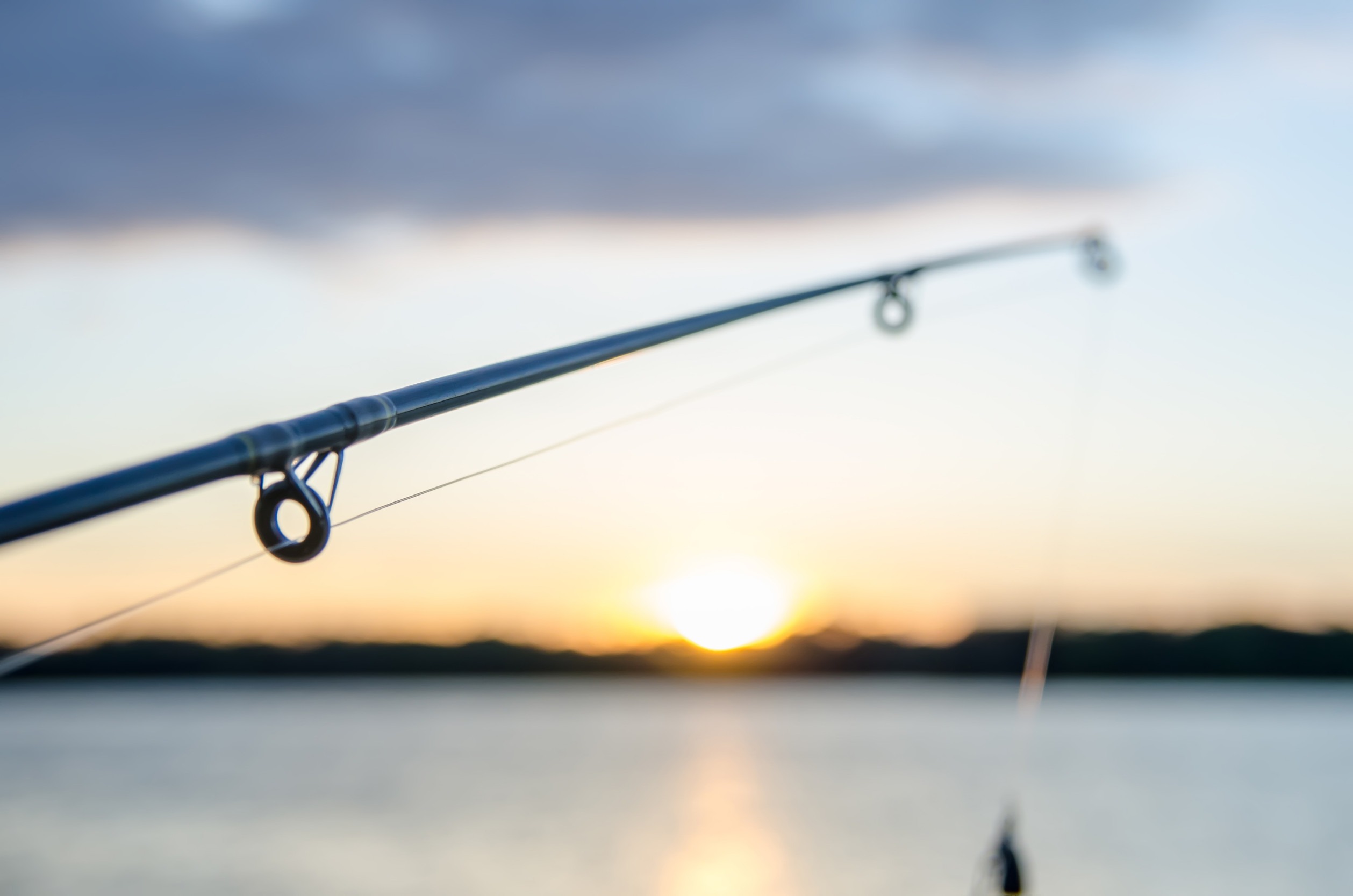
Minnesota is a state where fishing isn’t a hobby so much as a dialect. We speak in lake names, seasonal patterns, and species-specific lore. We know that midsummer walleyes don’t behave like October walleyes, and that a calm Brainerd sunrise can turn into a breezy chop by noon. In a place like this, your fishing rod isn’t just gear—it’s a translation device between you and the water.
That’s where custom fishing rods enter the conversation. Unlike mass-produced rods built on average assumptions, a custom rod is tailored to a real angler: your hands, your reach, your preferred technique, and the particular kind of Minnesota fishing you do. LakeLady Custom Fishing Rods, based in Breezy Point, Minnesota, has built its whole craft around that idea—hand-fitting rods to the angler since the late 1990s, using premium components and a personal build process led by certified rod builder Kris Kristufek.
This post is a reference-style guide to the subject of custom fishing rods in Minnesota. It’s designed to help you understand what makes a custom rod different, how the build process works, what components matter most, and how to think about rod selection for the waters and species we chase here. No hard selling, no hype. Just a clear path through the reeds.
The term “custom rod” gets used loosely online. Sometimes it means a factory rod in a special color. Sometimes it means a handle swapped after purchase. A true custom rod is more substantial. It’s a rod designed and built from the blank up with your specific fishing profile in mind.
LakeLady’s definition is straightforward: each rod is handcrafted for an individual angler, based on physical measurements and fishing style, then assembled with carefully chosen blanks, guides, grips, and finishing details.
In practice, that means custom rods differ from off-the-shelf rods in three main ways:
Custom rods make sense anywhere, but Minnesota offers a rare combination of reasons they can be especially valuable.
We’re not a single-species state. A typical angler might chase crappies on a small lake Friday night, walleyes on a deep mid-sized basin Saturday, and pike or bass around cabbage edges Sunday. Rods that try to be “everything” tend to be mediocre at most things. Custom rods let you dial in for what you really do.
Minnesota’s waters range from shallow weed lakes to rocky clear basins to river systems with current and structure. Rod feel and responsiveness become more important when subtle bottom transitions or light bites are the whole game. Custom rods can increase sensitivity and reduce fatigue, especially during long jigging sessions.
Open-water season is busy, and ice season is its own universe. If you fish a lot, small ergonomic mismatches compound into real shoulder or wrist fatigue. Rods that are balanced to your body and reel reduce strain and increase control. LakeLady’s process centers on that physical comfort advantage.
Every builder has their own rituals, but high-quality custom builds usually follow a similar arc. LakeLady outlines an in-depth process that’s a useful reference for the category.
The builder starts by learning:
LakeLady emphasizes direct measurement: hand and arm sizing plus reel pairing, so the rod feels natural in your hand instead of “generic.”
The blank is the foundation—the “skeleton” of the rod. Builders choose blanks based on:
LakeLady notes that blank choice is guided by what you fish and how you fish, not what’s trendy.
This is where fit and comfort become physical reality. A few millimeters of diameter or a small adjustment to butt length can transform fatigue levels over a day of casting.
Custom grips can be shaped to reduce wrist torque, improve leverage for hook sets, and suit reel types (spinning vs baitcasting).
Guides aren’t just loops. Placement affects line flow, casting distance, sensitivity, and rod balance. High-end custom builders “static test” guide positions to optimize stress distribution when the rod is loaded. LakeLady highlights precision guide placement as part of its performance focus.
Thread wraps, decorative inlays, or signature touches are optional, but they show the human hand in the work. LakeLady is known for artistic detail options while maintaining performance first.
Custom rods get praised with fuzzy words like “buttery” or “crisp,” but there are concrete mechanics underneath.
Sensitivity is how clearly a rod transmits vibration from lure to hand. It’s influenced by:
A well-built custom rod often feels more “alive,” especially with light presentations for walleyes or panfish.
If a rod’s tip feels heavy, your wrist works harder to keep it level. Balanced rods reduce fatigue and improve micro-control. Custom fitting to a specific reel helps dial this in. LakeLady repeatedly describes rods that feel nearly weightless in use because balance has been tuned to the angler.
A rod with the right power curve lets you cast accurately, set hooks decisively, and fight fish without feeling over-matched or under-gunned. Custom selection ensures the curve matches your actual lure weights and target species.
LakeLady organizes its builds into series for different angler profiles and techniques, updated for 2025. Even if you’re not shopping that exact lineup, the idea is helpful: series act like “starting points” that can be tailored further.
In broad strokes, series categories usually separate by:
A smart way to use series is as a baseline: “This gets me 80% there; now tune the rest to my hands and lake habits.”
It’s fair to ask: is custom always better? Not necessarily. It depends on what you value.
LakeLady’s comparison page frames these advantages in terms of craftsmanship and personalization.
A custom rod is a high-resolution tool; it still depends on the hand using it.
If you’re considering a custom build for the first time, here’s a practical, no-drama selection path.
Pick the thing you do most or care about most. Examples:
Your first rod should solve your most frequent problem, not your rarest scenario.
Be honest here. A rod designed for 1/16-oz jigs will not love 3/4-oz bouncers. Conversely, a medium-heavy muskie-leaning rod will never feel right for crappie finesse.
If your average trip is two hours, you might tolerate a little more weight. If it’s six to eight hours, balance and grip fit become priceless.
Some anglers want ultra-sensitivity. Others prefer a more forgiving rod that’s easier with treble hooks or soft-mouthed fish. There’s no moral hierarchy—just preference.
LakeLady’s intake process effectively walks anglers through these same decisions before committing to a build.
Minnesota’s seasonal edges create a few care considerations worth noting.
Custom rods are sturdy, not fragile. They just reward basic respect.
One of the quieter virtues of custom rods is that they keep craft alive. LakeLady is a cottage industry example: a Minnesota builder with decades of experience, trained by legends of rod making, producing rods that are equal parts functional and personal.
Owning a custom rod is a little like owning a hand-built canoe or a tuned instrument. It’s not about status. It’s about having a tool that feels like yours, because it’s been made with your use in mind. Many anglers say the greatest difference is not just performance, but a kind of settled confidence: your rod is no longer a variable you need to think about.
That matters in Minnesota, where fishing is often less about trophies and more about belonging—belonging to dawn launches, family traditions, and the deeply specific feel of your favorite lake.
Custom fishing rods are not a requirement for enjoying Minnesota water. Plenty of anglers are happy and successful with factory gear. But for anglers who fish often, lean on technique, or simply want a rod that fits their hands and habits without compromise, custom building offers a tangible advantage.
LakeLady Custom Fishing Rods provides a clear Minnesota example of the category: professional certification, a measurement-based fit process, premium components, and series frameworks that help anglers land on the right tool.
If there’s a single takeaway, it’s this: the best rod is the one that disappears in your hand. When your gear stops distracting you, you notice what Minnesota fishing has been trying to say all along—the subtle tap in deep water, the change in vegetation, the moment your line goes almost imperceptibly slack. That’s where the real magic lives.