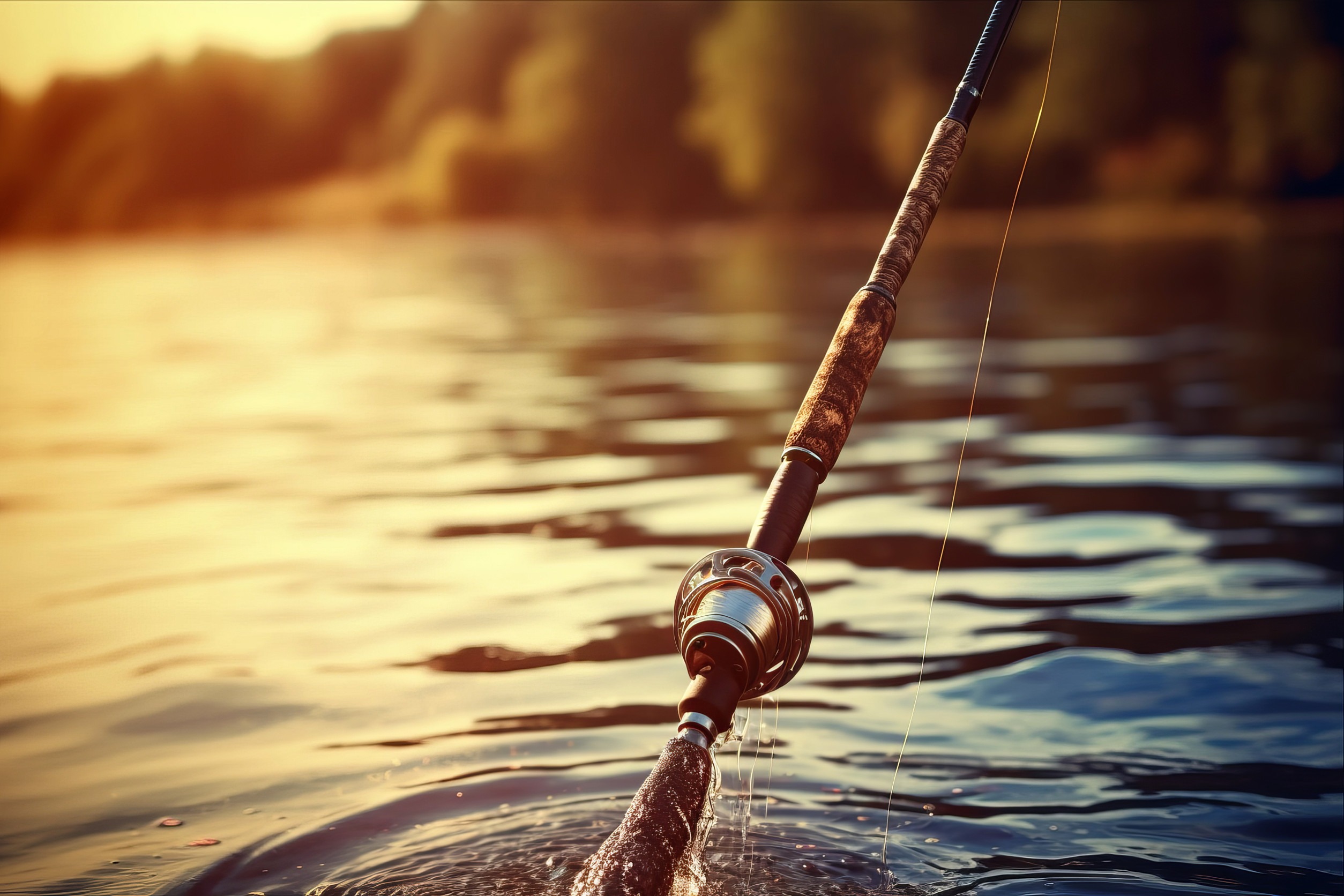
If you’ve ever wrestled with a bulk-produced rod that just didn’t feel “right,” you understand the frustration. But a custom rod made just for your casting style, favorite species, and hand size can feel like a seamless extension of your arm.
LakeLady Custom Fishing Rods, based in Minnesota, offers more than 25 years of rod‐building expertise from certified professional rod builder Kris Kristufek. They’ve refined a process that balances artistry, engineering, and personalization. In this reference guide, you’ll discover:
What makes a rod truly “custom”
Key material and design considerations
How to vet a rod builder or shop
Practical tips for durability and long-term performance
At the end, you’ll have criteria for comparing rods and builders—and a soft invitation to connect if you’re ready to explore.
The Essence of a Custom Fishing Rod
A custom fishing rod isn’t a mass-produced item with a few decorative tweaks. It’s an integrated tool, crafted to suit your cast, your reel, your grip, and your environment.
What LakeLady emphasizes in their process:
Every rod begins with a premium blank (for freshwater, saltwater, or fly applications)
Kris measures hand, arm, and preferred reel setup to balance ergonomics and leverage
You get to choose or influence thread colors, grip materials, inscriptions, and decorative accents
Their Quality Assurance step ensures every rod is tested and inspected before shipping
This blend of engineering, material sourcing, and personalization truly sets a custom rod apart from generic, off-the-shelf models.
Key Material & Design Factors to Evaluate
When comparing custom rods (or comparing builder proposals), here are the major variables that influence feel, durability, and performance:
1. Rod Blank & Material Quality
High-modulus graphite, carbon composites, or hybrid blanks offer better strength, sensitivity, and lower weight.
Some rods use brand names like Batson Rainshadow, Hamachi, CTS, Winston, or Harrison blanks.
The blank’s action and power rating (fast, medium, heavy, etc.) should match your target species and fishing style.
2. Guides & Wrapping Technique
Quality rod builders use durable guide materials (like stainless, titanium, or ceramic inserts) and space them optimally for line flow.
Guide wrapping style (spiral wrap, cross wrap) impacts both aesthetics and functional strength.
The “Morton Equal Angle System” is one method used to place guides evenly in casting rods. (LakeLady’s “Series Rods” pages reference such guide alignment).
3. Grip, Handle & Reel Seat
Handle length, cork or EVA or exotic wood designs—they all affect comfort, sensitivity, and balance.
Reel seat choice (adjustable, high-rise, custom metal or wood accents) matters especially for heavy or specialty applications.
4. Balance & Ergonomics
A custom rod should feel balanced in hand without exertion, even over long casting sessions.
The weight distribution should match your preferred technique and lure weights.
5. Durability, Finish & Sealing
Finishes (clear coat, epoxy, UV protection) help resist wear, moisture, and abrasion.
Proper sealing at guide feet, blank joints, and grip interfaces helps your rod last in real-world conditions.
6. Aesthetic Personalization
Thread colors, inlays, logos, inscriptions, special date markers, grip styling—these add character without compromising performance.
LakeLady explicitly offers customization of aesthetics as part of their signature.
Custom Rod vs. Stock Rod: A Comparison
Here’s a side-by-side look at what you get (or miss) when choosing custom vs. store rods:
Feature
Custom Rod
Stock Rod
Ergonomic Fit
Tailored to your grip, hand, and reel alignment
Generic grip sizing
Material Selection
Premium blanks and components
Often generic blanks, lower-grade guides
Aesthetic & Personalization
Full choice of thread, finishes, inscriptions
Limited or no personalization
Performance Optimized
Calibrated to your lure weights, target species, casting style
One-size-fits-many compromises
Repair & Support
Easier to maintain, rebuild, or tune
Repairs may require replacement
Cost & Time
Higher investment, build lead time (weeks)
Immediate purchase, lower cost (mass scale)
LakeLady’s “Comparison” page details many of these differences in the context of their offerings.
How to Vet & Choose a Custom Rod Builder
If you’re shopping for a custom rod or builder, use this checklist as your reference:
Experience & credentials – How many years, how many rods built, workshop reputation. LakeLady’s founder is a Certified Professional Rod Builder, with over 25 years of experience.
Portfolio & gallery – Look for photos or examples of past builds to see craftsmanship, aesthetic range, and finishing quality. (LakeLady’s gallery shows many rods)
Transparency in process – A good builder will explain how materials are selected, modification choices, and trade-offs.
Lead time & communication – Custom builds take weeks; clear timelines and updates matter. LakeLady states typical building time is 4–6 weeks.
Warranty & repair policy – Custom rod builders should support rebuilds, repairs, or refinishing.
Material sources & quality – Ask where blanks, grips, guides are sourced. Builders using premium brands show diligence.
Personal comfort & rapport – Because much of this process is collaborative, you’ll want a builder who listens and communicates well.
Durability & Maintenance Tips to Extend Rod Longevity
Even the finest custom rod performs poorly without proper care. Here are best practices:
After each fishing session, rinse guides and blank with fresh water (especially for saltwater or abrasive environments).
Inspect guide wraps periodically for cracks or separation.
Store your rod in a tube or rod sock—avoid leaning it in a corner under tension.
Avoid overloading the rod—stay within recommended line and lure weight ranges.
For transport, use padded rod tubes or covers to avoid damage.
If a guide, wrap or blank joint is damaged, get it repaired promptly rather than letting the damage spread.
With proper care, a custom rod can last decades—far outlasting many factory rods.
If you’re curious about designing your own custom rod, comparing builder proposals, or learning how to balance performance and aesthetics in a custom build, feel free to reach out. Contact us to get started and explore a rod built just for you.
Sign up to reel in the latest updates, exclusive fishing tips, and behind-the-scenes glimpses from Kris Kristufek's workshop. Join our community of fishing enthusiasts and be the first to know about new rod designs, upcoming classes, and special offers. Your next big catch begins with our newsletter – subscribe now to make every fishing adventure even more memorable!
Rod Order Form
Take the next step toward owning a premium LakeLady fishing rod crafted with precision and care. Use the form below to select your preferred rod series, specifications, and customization options. From design to delivery, your rod will be built to provide unmatched performance on the water. Start your journey today!
Once you submit this order, we will contact you to arrange dates, verify designs and payment arrangements. We look forward to building you an amazing rod, and ensure you Catch More Fish!
Your form entry has been saved and a unique link has been created which you can access to resume this form.
Enter your email address to receive the link via email. Alternatively, you can copy and save the link below.
Please note, this link should not be shared and will expire in 30 days, afterwards your form entry will be deleted.