
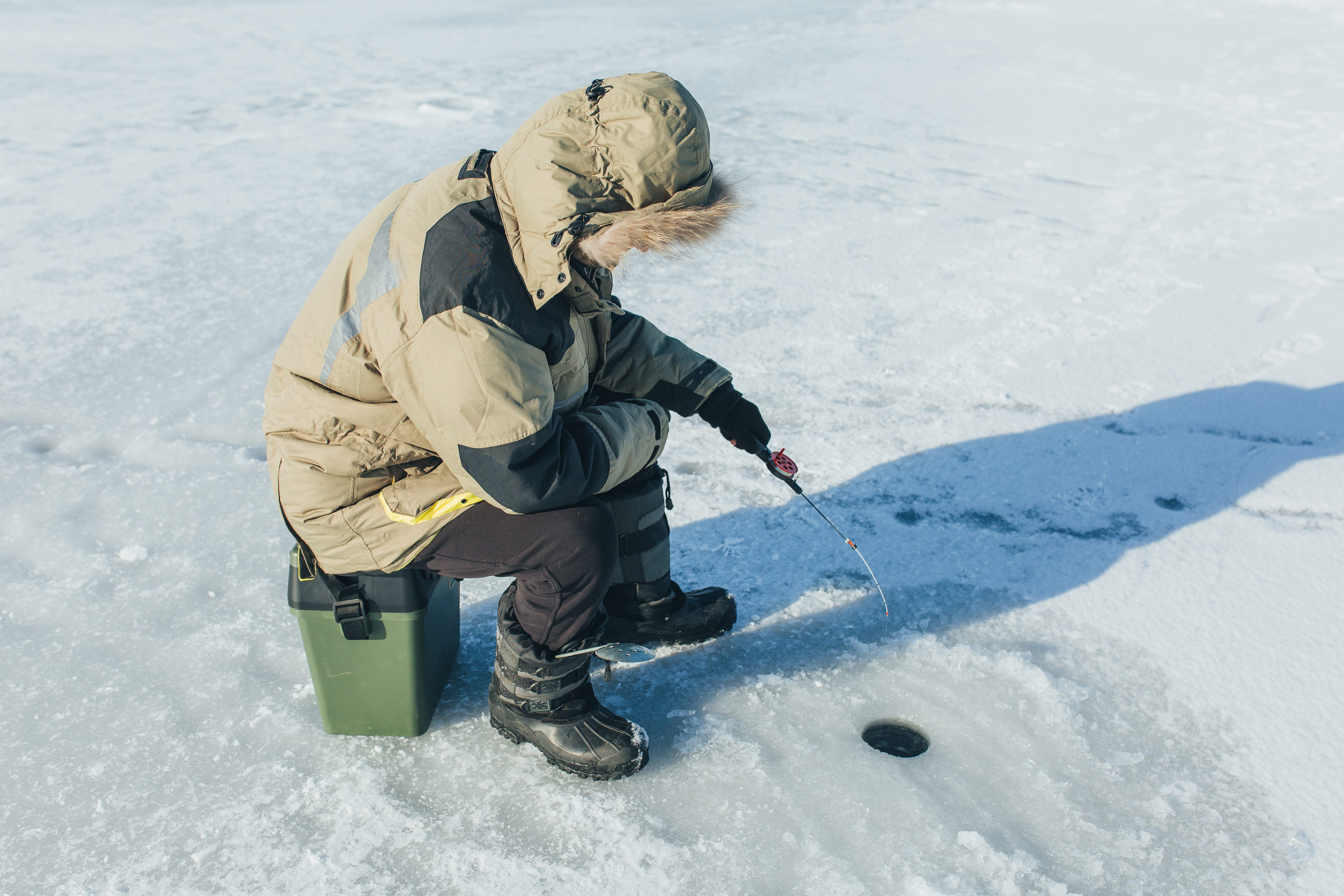
Minnesota anglers know that ice fishing requires a different approach than open-water fishing.
Additionally, the space is limited, even with a custom ice fishing rod, and there is little room for unnecessary movement.
Under these conditions, your fishing rod plays an important role in how effectively you control your presentation, recognize bites, and manage fish.
However, with so many options available, how do you know which custom ice fishing rod is right for you?
The best custom ice fishing rod isn’t necessarily the most expensive or the one with the most impressive specifications.
Moreover, it’s the rod that matches your target species, preferred techniques, and your individual fishing style.
A custom ice fishing rod takes those considerations further by allowing specific components and design characteristics to be selected around the angler.
Understanding the following seven features can help you recognize what separates a well-designed rod from one that simply looks impressive.
Sensitivity is one of the most important characteristics to consider when choosing an ice fishing rod.
Unlike some open-water presentations that produce aggressive strikes, ice fishing frequently involves subtle bites.
A walleye may gently inhale a jig. A crappie might lift a lightweight lure, creating slack rather than a noticeable pull. Sometimes the only indication of a fish is a slight movement at the rod tip.
A sensitive rod helps communicate these changes.
Ice fishing rod sensitivity depends on several factors working together:
Graphite and carbon-fiber blanks are frequently selected for their lightweight, responsive characteristics.
However, sensitivity isn’t determined by material alone.
A rod must also be appropriately matched to the lure weight and technique. Even a premium blank may feel poorly suited to the task when paired with an incompatible presentation.
Not every bite can be detected through vibration.
For delicate panfish presentations, a responsive tip or appropriately selected spring bobber can help reveal upward bites and subtle changes in pressure.
The ideal setup allows anglers to recognize fish activity through both sight and feel.
Rod power describes how much force is required to bend the blank.
For ice fishing, choosing the correct power is essential because different species and presentations place different demands on the rod.
Ultralight and light-power rods are commonly used for panfish, including bluegill, crappie, and perch.
These rods can help anglers manage small jigs and lightweight presentations while maintaining useful feedback.
A rod that’s too powerful may not respond effectively to tiny lures.
Medium-light and medium-power options are often suitable for walleye fishing, depending on lure weight and technique.
These rods can provide a balance of sensitivity and backbone for vertical jigging.
Larger fish and heavier presentations may require additional power.
Anglers targeting northern pike or lake trout, for example, may need rods capable of handling stronger fish and more substantial lures.
The goal isn’t to choose the strongest possible rod. It’s to select the appropriate power for the intended application.
Rod action describes where the blank bends under pressure.
A fast-action rod concentrates more of its initial bend toward the tip, while a moderate-action rod bends farther down the blank.
This difference influences lure movement, bite detection, and how the rod responds when fighting fish.
Fast-action rods can provide responsive lure control and direct feedback.
They’re often useful for jigging techniques where anglers want to recognize subtle changes and deliver controlled hooksets.
Moderate-action rods provide a more progressive bend.
This can be useful when fishing lighter line or when a forgiving rod helps maintain steady pressure on a fish.
Neither action is automatically better.
A custom ice rod should be designed around the technique rather than selected simply because one action is more popular.
For example, a rod intended for small panfish jigs may benefit from different tip behavior than one designed for larger walleye jigging spoons.
Ice fishing rods are significantly shorter than most open-water fishing rods.
Because anglers fish vertically rather than casting long distances, rod length serves a different purpose.
The Minnesota Department of Natural Resources notes that common walleye ice fishing setups include rods approximately two to three feet long.
However, the ideal length depends on the fishing environment and technique.
Shorter rods can be easier to manage inside compact portable shelters.
They allow anglers to work a lure without constantly worrying about hitting the shelter wall or ceiling.
Longer ice rods may provide additional leverage and can be comfortable when fishing outside or in larger shelters.
They may also offer greater line control for certain presentations.
Your preferred fishing position matters, too.
Someone who primarily fishes while seated may prefer a different length than an angler who regularly stands and moves between holes.
When comparing ice fishing rods Minnesota anglers use, consider the space available and how you actually fish.
A fishing rod’s handle is more than a place to hold the equipment.
Grip shape, length, diameter, and material influence comfort and control.
These details become particularly important during Minnesota winters.
Cold hands, bulky gloves, and repeated jigging movements can make an uncomfortable grip more noticeable.
Common grip materials include cork, EVA foam, and other specialized options.
Cork offers a traditional feel and is valued for its lightweight characteristics.
EVA foam provides durability and can be comfortable in wet conditions.
The ideal material depends on personal preference, fishing style, and how the handle is designed.
LakeLady Custom Fishing Rods incorporates hand and arm measurements into its custom rod-building process.
This approach allows grip dimensions and related design choices to be considered around the individual angler.
For someone who spends hours jigging through the ice, a comfortable grip can make a meaningful difference.
The objective is a rod that feels natural rather than one that requires constant adjustment.
Balance is frequently overlooked when anglers compare fishing rods.
A rod may have excellent components but still feel awkward when paired with an unsuitable reel.
The balance point influences how naturally the rod rests in your hand.
A tip-heavy setup may require additional wrist effort to maintain the preferred fishing position.
Over time, that can contribute to fatigue.
A properly balanced rod-and-reel combination can help improve comfort and control.
LakeLady considers the angler’s chosen reel during the building process, allowing the finished rod to be balanced around the equipment that will actually be used.
This is especially useful for anglers who spend long periods holding a rod while monitoring subtle bites.
Balance doesn’t automatically make a rod more sensitive, but it can make small changes in pressure easier to recognize and interpret.
A great fishing rod depends on more than its blank.
Guides, wraps, reel seats, handles, and finishing materials all contribute to the completed design.
Quality construction becomes particularly important when equipment is regularly exposed to cold temperatures, moisture, and transportation between fishing locations.
Guides should be appropriately sized and positioned for the rod’s intended use.
Proper guide placement helps manage fishing line and supports consistent performance as the blank bends.
Reel seats should securely hold the reel without unnecessary movement.
Handle materials and attachment methods should also be suitable for the intended fishing conditions.
A handcrafted ice fishing rod allows the builder to consider how each component contributes to the finished product.
At LakeLady Custom Fishing Rods, the emphasis is on individualized design, component selection, and careful construction.
The result is a rod developed around specific fishing needs rather than broad, standardized specifications.
Minnesota offers opportunities to target several popular species through the ice.
Each species may benefit from different rod characteristics.
Walleye anglers often prioritize sensitivity, responsive action, and enough power for their preferred jigging presentations.
Rod selection should reflect lure weight, depth, and fishing technique.
Panfish anglers frequently use lightweight jigs and delicate presentations.
A light-power rod with an appropriately responsive tip can help reveal subtle bites.
Pike anglers may require more substantial power, particularly when using heavier lures or targeting larger fish.
The rod should provide enough control while remaining compatible with the chosen line and hook.
Lake trout fishing may involve deeper water, heavier presentations, and powerful fish.
A more substantial rod can be appropriate, depending on the technique.
These differences illustrate why Minnesota ice fishing gear should be selected around the intended application rather than a universal recommendation.
Factory-made ice fishing rods offer convenience and a wide range of affordable options.
For many anglers, a quality factory rod can provide excellent performance.
A custom rod offers a different approach.
Instead of selecting from predetermined specifications, the angler can discuss preferred techniques, target species, grip comfort, rod length, and other details with the builder.
This creates opportunities to prioritize individual preferences.
Customization may also include decorative wraps, colors, and other aesthetic features.
However, the greatest value of a custom rod is usually found in its functional design.
A rod that fits comfortably and matches the intended presentation can make fishing feel more controlled and natural.
LakeLady Custom Fishing Rods is located in Breezy Point, Minnesota, and specializes in personalized fishing rod construction.
The company’s process begins with understanding how the customer fishes.
Important considerations include:
These details help guide decisions about the blank, components, and overall configuration.
For anglers considering a custom ice fishing rod, this individualized approach provides a useful framework for evaluating what matters most.
Rather than assuming every angler needs the same setup, the process focuses on matching the rod to its intended purpose.
Before selecting a rod, consider the situations you encounter most frequently.
Ask yourself whether you primarily fish for walleye or panfish, whether you use lightweight jigs or heavier spoons, and whether you spend more time inside a shelter or fishing outdoors.
Also consider how your current rod feels.
Does it provide enough sensitivity? Is the handle comfortable? Does the action match your presentation? Does the rod feel balanced with your reel?
These questions can reveal which characteristics deserve priority.
The best ice fishing rod is ultimately the one that supports your fishing style without unnecessary compromises.
A well-designed ice fishing rod should feel like a natural extension of the angler’s hand.
Sensitivity helps reveal subtle bites. Power and action influence lure control and hooksetting. Length affects comfort and maneuverability, while grip design and balance contribute to the overall fishing experience.
Quality components and careful construction bring those characteristics together.
For Minnesota anglers, a custom ice fishing rod provides an opportunity to consider each of these details individually.
Whether you’re jigging for walleye, targeting panfish, or pursuing larger predators, understanding what makes a rod effective can help you make informed equipment decisions.
The right rod won’t guarantee a successful day on the ice, but it can make every presentation more comfortable, controlled, and enjoyable.
For information about custom fishing rods, personalized grip fitting, rod sensitivity, power and action, or the LakeLady rod-building process, contact:
LakeLady Custom Fishing Rods
29297 Piney Way
Breezy Point, MN 56472
Phone: (218) 251-2626
Email: rodbuilder@lakeladyrods.com