
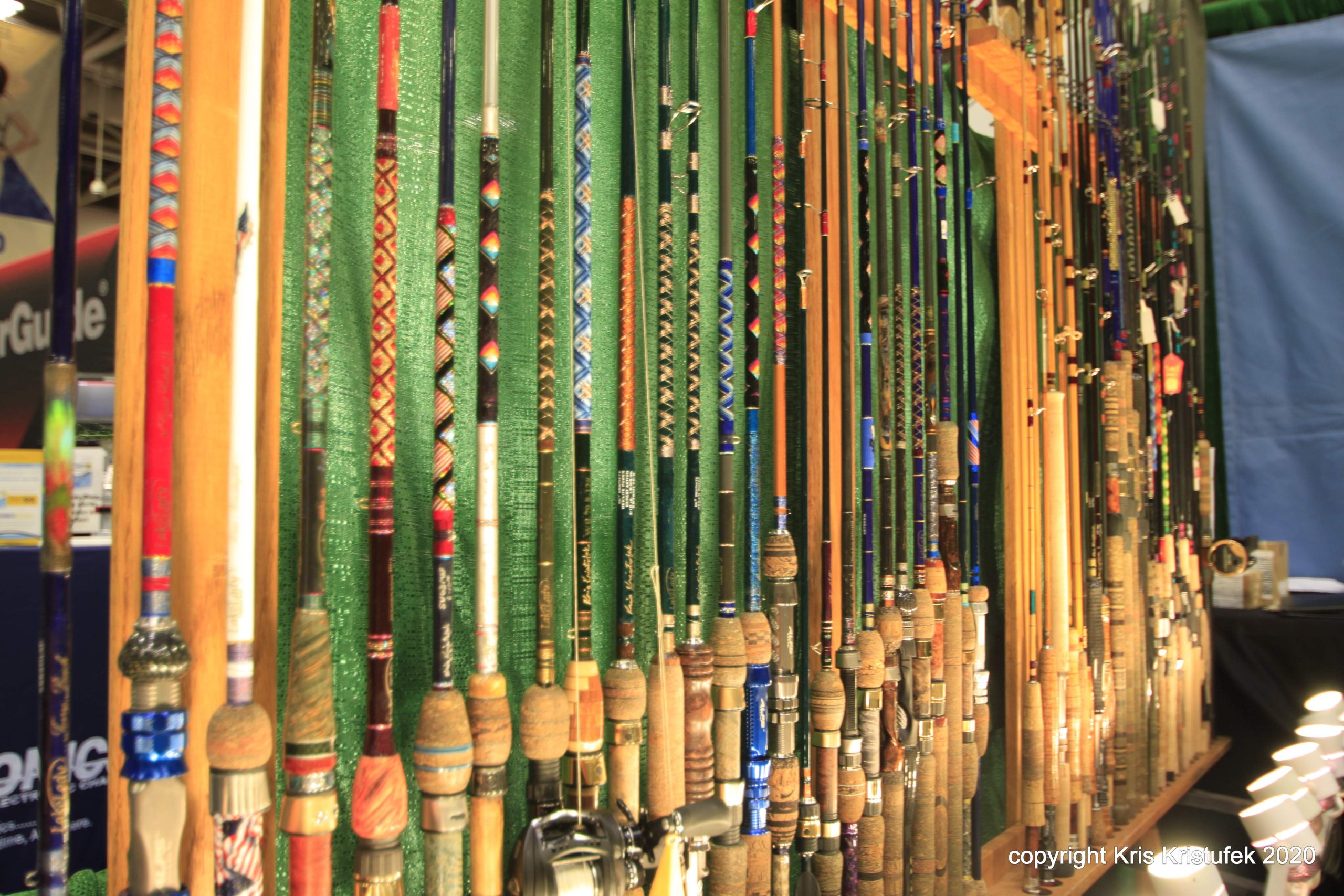
A custom fishing rod is more than just another piece of gear—it’s a personalized tool built to match your fishing style, favorite techniques, and the species you love to pursue. Whether you’re casting for bass on a quiet Minnesota lake, jigging for walleye, or targeting panfish with an ultralight setup, your custom rod is designed to provide exceptional sensitivity, balance, and performance that mass-produced rods simply can’t replicate.
Because of the craftsmanship and premium components that go into a custom build, taking proper care of your investment is essential. Fortunately, maintaining a custom fishing rod doesn’t require complicated procedures or expensive products. A few simple habits before, during, and after each fishing trip can help preserve its appearance, performance, and longevity for many seasons.
If you’ve recently invested in a handcrafted custom fishing rod—or you’re considering one—this guide will help you understand the best practices for protecting your rod from unnecessary wear and keeping it fishing like new.
Unlike factory-produced rods that are manufactured in large quantities, custom fishing rods are carefully assembled with components selected for performance, comfort, and durability. From premium blanks and quality guides to custom handles and decorative thread work, every detail contributes to the finished product.
That doesn’t mean custom rods are fragile. In fact, quality custom rods are built to withstand years of fishing. However, they deserve thoughtful handling because replacing or repairing custom components may require specialized craftsmanship.
By developing a few good habits, you’ll protect not only your rod’s appearance but also the performance that made you choose a custom build in the first place.
Many fishing rods suffer damage before they ever touch the water.
Common causes include:
Using a quality rod sleeve is one of the easiest ways to prevent scratches, guide damage, and tangled line during transport.
If you’re traveling with several rods, organize them so they can’t bounce against one another while driving. Even small impacts repeated over time can damage guide inserts or weaken components.
For longer trips, consider using a hard-sided rod tube to provide additional protection.
A quick inspection takes less than two minutes but can prevent bigger problems later.
Before heading onto the water, check:
Running a cotton swab through each guide is an easy way to detect tiny cracks that may not be visible. If the cotton snags, the guide may need attention before it damages your fishing line.
Fishing exposes equipment to dirt, sunscreen, fish slime, algae, dust, and mineral deposits.
Cleaning your rod after each outing helps preserve both appearance and performance.
A simple routine includes:
Avoid harsh household cleaners, abrasive pads, or solvents, as they may damage finishes or decorative wraps.
If you fish frequently, a more thorough cleaning every few weeks helps remove residue that can accumulate over time.
Rod guides are among the hardest-working components on any fishing rod.
Every cast and retrieve sends line through the guides, making them critical to overall performance.
Damaged guides can:
Periodically inspect guide rings for cracks or rough spots. If you notice damaged inserts, avoid continuing to fish until the guide is repaired.
Replacing a guide is far easier than losing a trophy fish because your line failed unexpectedly.
The blank is the foundation of your custom rod.
While today’s premium blanks are remarkably durable, they are designed to flex in specific ways.
Avoid:
Even if damage isn’t immediately visible, repeated impacts can weaken graphite fibers over time.
When landing larger fish, use the rod to guide the fish rather than lifting excessive weight vertically.
How you store your rod between trips matters just as much as how you fish with it.
Ideal storage includes:
Avoid storing rods:
Extreme temperatures and prolonged pressure can affect components and finishes over time.
Whether your custom rod features premium cork, EVA foam, or another handle material, keeping it clean improves both comfort and appearance.
Use:
Avoid excessive soaking.
These require very little maintenance.
Simply wipe them with warm water and mild soap before allowing them to dry naturally.
Keeping handles clean prevents oils, sunscreen, and grime from building up during the season.
One feature that makes custom fishing rods stand out is their unique thread work and decorative accents.
Although these wraps are protected with durable epoxy finishes, avoiding unnecessary impacts helps maintain their appearance.
Inspect decorative wraps occasionally for:
Early attention often prevents more extensive repairs later.
Even though this article focuses on rod care, the reel plays an important role in protecting your custom setup.
A poorly maintained reel can create unnecessary stress on the rod.
Regular reel maintenance includes:
A balanced rod-and-reel combination performs more efficiently and places less strain on both components.
Minnesota’s changing seasons create unique challenges for fishing equipment.
Before the season begins:
During peak fishing months:
As fishing slows:
If your rod isn’t being used for ice fishing:
Many rod failures aren’t caused by manufacturing defects—they’re the result of everyday habits.
Some of the most common include:
Avoiding these mistakes can dramatically increase the lifespan of your custom fishing rod.
Not every issue requires replacing the entire rod.
Professional rod builders can often repair:
Addressing small problems early usually prevents more expensive repairs in the future.
If you’re unsure whether damage affects performance, it’s worth having an experienced rod builder inspect the rod before your next trip.
One of the greatest advantages of owning a custom fishing rod is that it is built with longevity in mind.
Unlike many mass-produced rods, custom rods are assembled with attention to every detail—from guide placement and component selection to balance and finish quality.
At LakeLady Custom Fishing Rods, every rod is handcrafted to meet the individual needs of the angler. That level of craftsmanship, combined with proper care and maintenance, helps ensure your rod remains a dependable part of your fishing adventures for years to come.
Whether you’re chasing bass, walleye, northern pike, or panfish across Minnesota’s lakes, a well-maintained custom rod delivers the performance, comfort, and reliability that serious anglers appreciate every time they head to the water.
Investing in a custom fishing rod is about more than owning premium equipment—it’s about enhancing your experience on the water. The care you give your rod today directly impacts how it performs tomorrow and for many seasons ahead.
Simple practices like transporting your rod safely, cleaning it after each outing, inspecting guides regularly, and storing it properly can significantly extend its lifespan. These habits not only preserve the beauty of a handcrafted rod but also help maintain the sensitivity, balance, and performance that make custom rods such a rewarding investment.
Whether you’re fishing Minnesota’s legendary walleye waters, exploring quiet bass lakes, or introducing the next generation to the sport, a properly maintained custom rod will continue to perform when it matters most.
LakeLady Custom Fishing Rods specializes in handcrafted custom fishing rods designed for anglers who value quality, performance, and personalized craftsmanship.
LakeLady Custom Fishing Rods
29297 Piney Way
Breezy Point, MN 56472
Phone: (218) 251-2626
Email: rodbuilder@lakeladyrods.com
Website: https://lakeladyrods.com/