
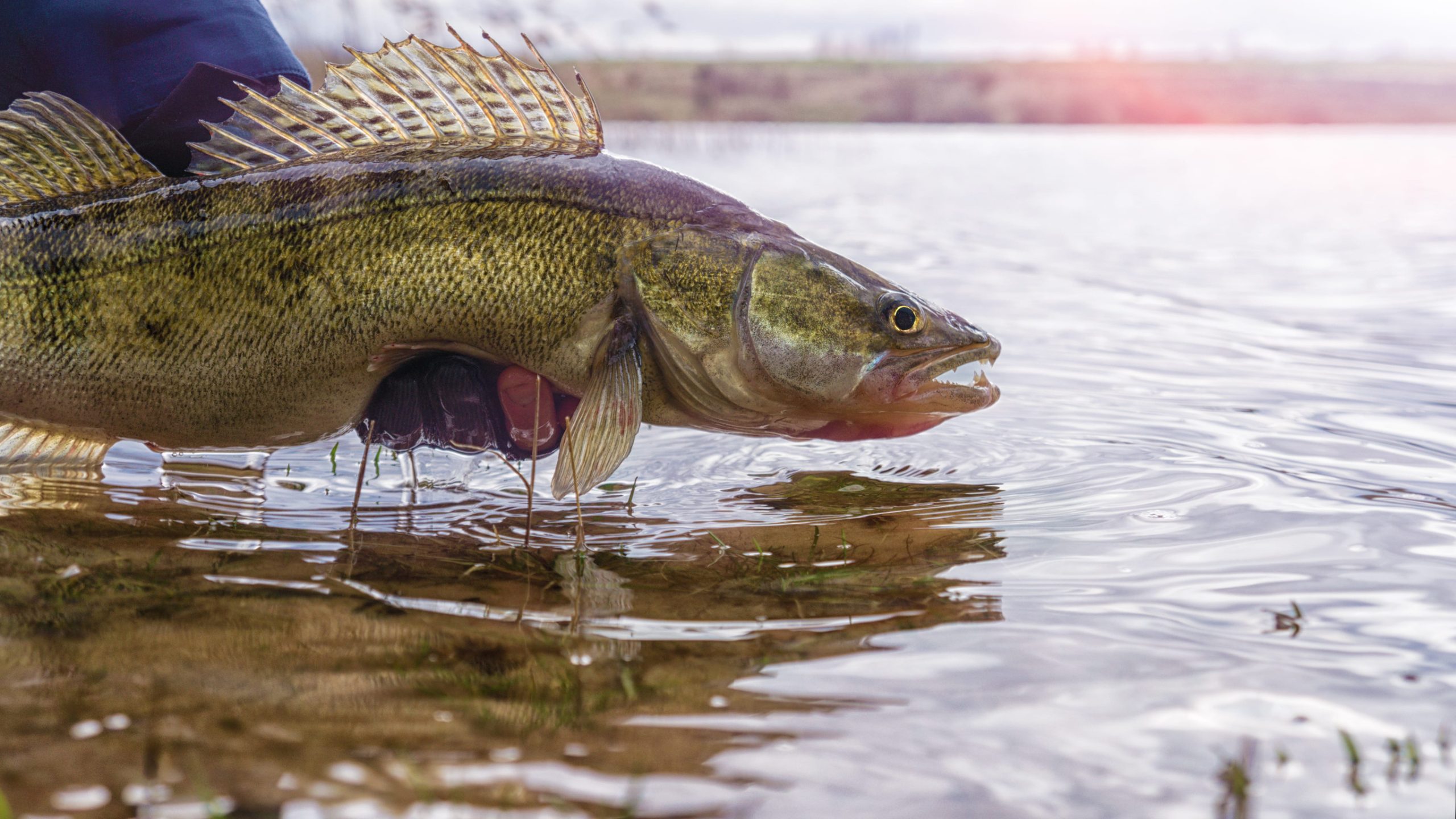
Walleye fishing holds a special place in the fishing culture of the Midwest, particularly in Minnesota where anglers pursue this prized species across thousands of lakes and rivers. Known for their subtle bites and preference for low-light conditions, walleye present a unique challenge that requires patience, technique, and the right equipment.
Among the most important tools in any angler’s setup is the fishing rod. While reels, line, and lures play their roles, the rod serves as the primary connection between the angler and the fish. Choosing the right walleye fishing rod can influence how well you detect bites, control presentations, and ultimately land fish.
Because walleye fishing often involves delicate techniques such as jigging or live bait rigging, rods designed for this species emphasize sensitivity and balance. Many experienced anglers also turn to custom fishing rods to tailor performance to their specific fishing style.
This guide explores the features that make a rod effective for walleye fishing and how anglers can select equipment suited to the conditions they fish most often.
Before choosing a rod, it helps to understand how walleye behave. These fish are known for their keen eyesight and tendency to feed in low-light environments such as dawn, dusk, or deeper water.
Walleye frequently hold near structure including:
When feeding, they often strike lightly rather than aggressively. Instead of a sharp tug, anglers may only feel a slight tap or change in line tension.
Because of this subtle behavior, sensitivity becomes one of the most important qualities in a walleye fishing rod.
According to the Minnesota Department of Natural Resources, walleye are among the most popular freshwater fish targeted in the state’s lakes and rivers, making proper gear selection especially important for anglers pursuing them regularly.
When anglers discuss the “best rod for walleye,” they are usually referring to a combination of several rod characteristics rather than a single design.
Sensitivity refers to how well a rod transmits vibrations from the line to the angler’s hand. When fishing jigs or live bait rigs, subtle movements on the bottom or light bites can be difficult to detect.
Graphite rods are often preferred for walleye fishing because they provide excellent sensitivity while remaining lightweight.
High-quality blanks allow anglers to feel:
This increased feedback allows anglers to react more quickly and set the hook at the right moment.
Rod length plays an important role in casting distance, line control, and leverage during the fight.
Common rod lengths for walleye fishing include:
Shorter rods offer better control for vertical jigging, while longer rods allow for smoother casting and better line management.
Many anglers select rod length based on the techniques they use most frequently.
Two important terms in rod design are power and action.
For walleye fishing, rods commonly feature light to medium power combined with fast or extra-fast action.
This combination allows anglers to detect bites quickly while still maintaining enough strength to set the hook and control the fish.
A fast-action rod bends primarily near the tip, making it ideal for jigging presentations where quick response is important.
Because many anglers fish for long periods of time, rod balance and handle design are important considerations.
A well-balanced rod reduces fatigue and provides better control when working lures or detecting bites.
Handle materials commonly include:
Comfortable grips help anglers maintain control even during extended fishing sessions.
Different fishing techniques require slightly different rod characteristics. Understanding these methods helps anglers choose rods suited to their preferred style.
Jigging is one of the most common walleye techniques in lakes and rivers.
This method involves raising and lowering a jig along the bottom while maintaining contact with the lure.
Because jigging requires detecting subtle bottom contact and light bites, rods used for this technique often emphasize:
Many anglers prefer rods around 6’3” to 6’8” in length for precise jig control.
Live bait rigs using minnows, leeches, or nightcrawlers are another popular walleye technique.
This approach typically involves slowly drifting or trolling while presenting bait near the bottom.
Rods used for live bait rigging are often slightly longer to provide better line control and smoother hook sets.
Lengths around 7 feet or slightly longer are common for this technique.
Trolling allows anglers to cover large areas of water while presenting crankbaits or other lures.
This technique often requires rods capable of handling deeper running lures and maintaining consistent tension while moving.
Trolling rods may be longer and feature moderate action to absorb the movement of the lure and reduce the chance of losing fish.
While many factory rods perform well, some anglers choose custom fishing rods designed specifically for walleye fishing.
Custom rods allow builders to fine-tune components such as:
This process ensures the rod matches the angler’s preferred technique and fishing environment.
For anglers who frequently jig, for example, a rod builder may select a blank known for high sensitivity and design the handle to maximize comfort during vertical presentations.
Custom rods are typically built individually rather than mass-produced, allowing for careful attention to detail during construction.
LakeLady Custom Fishing Rods in Breezy Point, Minnesota specializes in handcrafted rods built around the fishing style and needs of individual anglers. The builder, Kris Kristufek, is a Guild Certified Professional Rod Builder with decades of experience crafting rods for freshwater species such as walleye, bass, and panfish.
Minnesota’s fishing landscape includes thousands of lakes and numerous river systems, each offering unique challenges for anglers.
Walleye can be found in:
These varying environments require anglers to adapt their techniques and gear accordingly.
A rod designed with these conditions in mind can improve both comfort and effectiveness while fishing.
In many cases, the right rod helps anglers maintain better contact with the lure and detect subtle strikes that might otherwise go unnoticed.
Selecting the best rod ultimately depends on how and where you fish most often.
Anglers may want to consider:
Testing different rods and gaining familiarity with their characteristics can help anglers identify what works best for them.
For some anglers, this process leads them toward custom rods that provide a more tailored experience.
Walleye fishing is both a challenge and a tradition across many northern states, particularly in Minnesota where anglers pursue this species throughout the year.
Because walleye often produce subtle bites, selecting the right rod can make a noticeable difference in an angler’s ability to detect strikes and control their presentation.
Rods designed for walleye fishing typically prioritize sensitivity, balance, and responsiveness while still offering enough strength to handle larger fish.
Whether using a factory rod or a custom-built model, understanding the key features of walleye rods allows anglers to make informed decisions about their equipment.
For many anglers, the right rod becomes more than just a piece of gear—it becomes an essential part of the fishing experience.
LakeLady Custom Fishing Rods
29297 Piney Way
Breezy Point, MN 56472
Phone: (218) 251-2626
Email: rodbuilder@lakeladyrods.com
Custom rod consultations and rod building classes are typically scheduled by appointment.