
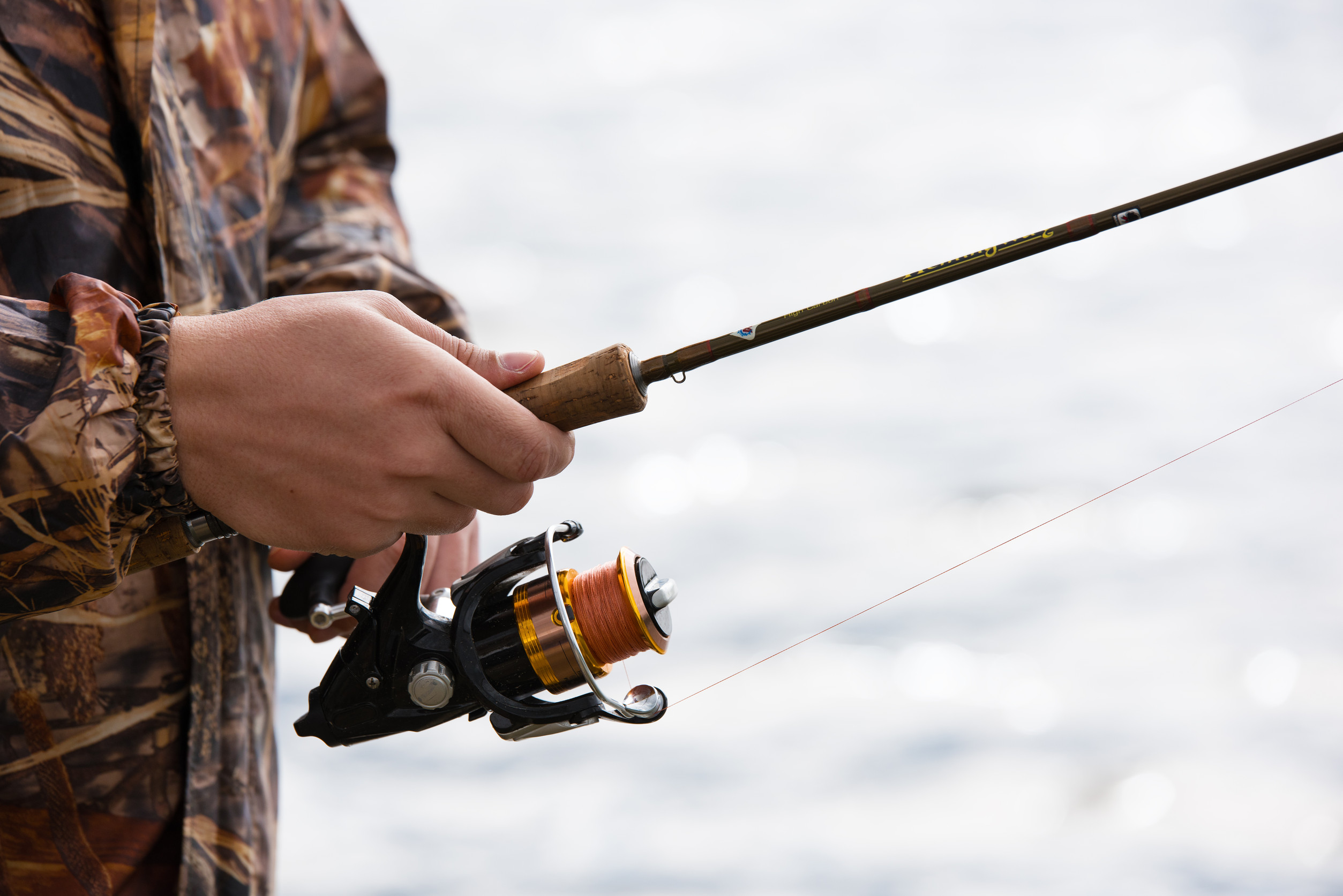
Custom rod building sits at the intersection of craftsmanship, engineering, and angling tradition. While mass-produced fishing rods dominate retail shelves, custom-built rods continue to hold a special place among serious anglers who value precision, personalization, and performance. A custom rod is not simply assembled—it is carefully designed to match a specific fishing style, environment, and angler preference.
At Lake Lady Rods, custom rod building is approached as a hands-on craft rooted in experience, attention to detail, and respect for how anglers interact with their gear. This article serves as a reference guide to custom rod building—what it involves, why it matters, and how handcrafted rods differ from factory-made alternatives—without relying on promotional language or assumptions.
Custom rod building is the process of designing and assembling a fishing rod from individual components rather than producing it on an assembly line. Each rod is built intentionally, with decisions made about materials, balance, action, sensitivity, and ergonomics.
Unlike off-the-shelf rods, custom rods are not designed for the “average” angler. Instead, they are built for a specific use case, such as:
This level of customization allows the rod to become an extension of the angler, rather than a generic tool.
Fishing rods play a critical role in how effectively an angler can detect bites, set hooks, and control fish. Small differences in rod design can significantly impact performance, especially in technical or finesse-oriented fishing.
Custom rod building focuses on optimizing:
Because every component is selected intentionally, the finished rod performs consistently with its intended purpose rather than compromising for mass appeal.
The rod blank is the core structure of any fishing rod. It determines much of the rod’s action, power, and sensitivity.
Most modern custom rods use high-quality graphite or composite blanks due to their strength-to-weight ratio and responsiveness. The choice of blank influences:
Custom builders select blanks based on how they perform in real fishing conditions, not just technical specifications.
A rod built for vertical jigging, for example, requires a different blank profile than one built for casting crankbaits. Custom rod building allows these nuances to be addressed precisely.
Guides may appear minor, but they play a crucial role in how a rod handles line flow, casting distance, and durability.
Custom builders consider:
Proper guide placement ensures the rod bends naturally under load and minimizes friction, which can improve casting efficiency and line longevity.
One of the most noticeable differences between custom and factory rods is handle design. Comfort and control are essential, especially for anglers who fish frequently or for extended periods.
Common custom handle options include:
Custom rod building allows handle length, diameter, and shape to be adjusted based on hand size, fishing technique, and personal preference. This customization reduces fatigue and improves rod control.
The reel seat connects the reel to the rod and directly affects balance and sensitivity.
Custom builders evaluate:
A well-balanced rod feels lighter in hand, even if it weighs the same as a factory model, because weight is distributed intentionally.
Thread wraps are both functional and aesthetic. They secure guides to the blank and protect connection points, but they also reflect the craftsmanship behind the rod.
Custom rods often feature personalized thread colors, decorative accents, or subtle branding that makes each rod distinct. While visual appeal is secondary to performance, it adds character and pride of ownership.
Understanding the difference between custom and factory rods helps anglers appreciate the value of handcrafted gear.
Neither approach is inherently “right” or “wrong,” but custom rods exist to serve anglers who prioritize precision over generalization.
Custom rod building plays an especially important role in ice fishing, where sensitivity and control are critical.
Ice rods often require:
Builders like Lake Lady Rods focus on how rods perform in cold environments, accounting for temperature effects on materials and angler comfort.
A well-built custom rod is designed to last. Because components are chosen for quality rather than cost, custom rods often maintain performance longer than mass-produced alternatives when properly cared for.
Durability considerations include:
Proper maintenance and storage further extend the life of a custom rod, making it a long-term investment rather than a disposable tool.
Custom rod building is not just about assembling parts—it’s about understanding how anglers fish and translating that knowledge into equipment design.
Experienced builders draw from:
This experience-driven approach ensures that rods are not only technically sound but also practical and intuitive on the water.
For many anglers, a custom rod becomes a trusted piece of equipment that carries stories, memories, and confidence. Using a rod built specifically for your style can enhance enjoyment and consistency.
Custom rods are often valued for:
This personal connection is difficult to replicate with mass-produced gear.
While custom rod building is an artisanal craft, it is informed by broader fishing industry standards and materials research. Organizations and educational resources within the fishing industry help define best practices for rod design, component quality, and ethical angling.
Educational resources from conservation and fishing organizations, such as the American Sportfishing Association, help support responsible angling and equipment innovation.
Custom rod building is not about excess or novelty—it is about intention. Each decision, from blank selection to thread finish, contributes to how the rod performs and feels.
For anglers who value precision, comfort, and craftsmanship, custom rods offer a level of refinement that factory options cannot always provide. By focusing on how rods are actually used rather than how they are marketed, custom builders preserve a tradition that continues to evolve with modern materials and techniques.
Custom rod building represents a thoughtful approach to fishing equipment—one that prioritizes function, fit, and long-term performance. From the blank and guides to the handle and finish, every component serves a purpose.
Builders like Lake Lady Rods exemplify how attention to detail and angler-focused design create rods that feel purposeful and personal. As a reference point, understanding the craft behind custom rod building allows anglers to make informed decisions about their gear and appreciate the skill involved in its creation.
Internal Link:
https://lakeladyrods.com/custom-rods/
External References:
https://asafishing.org
https://www.takemefishing.org