
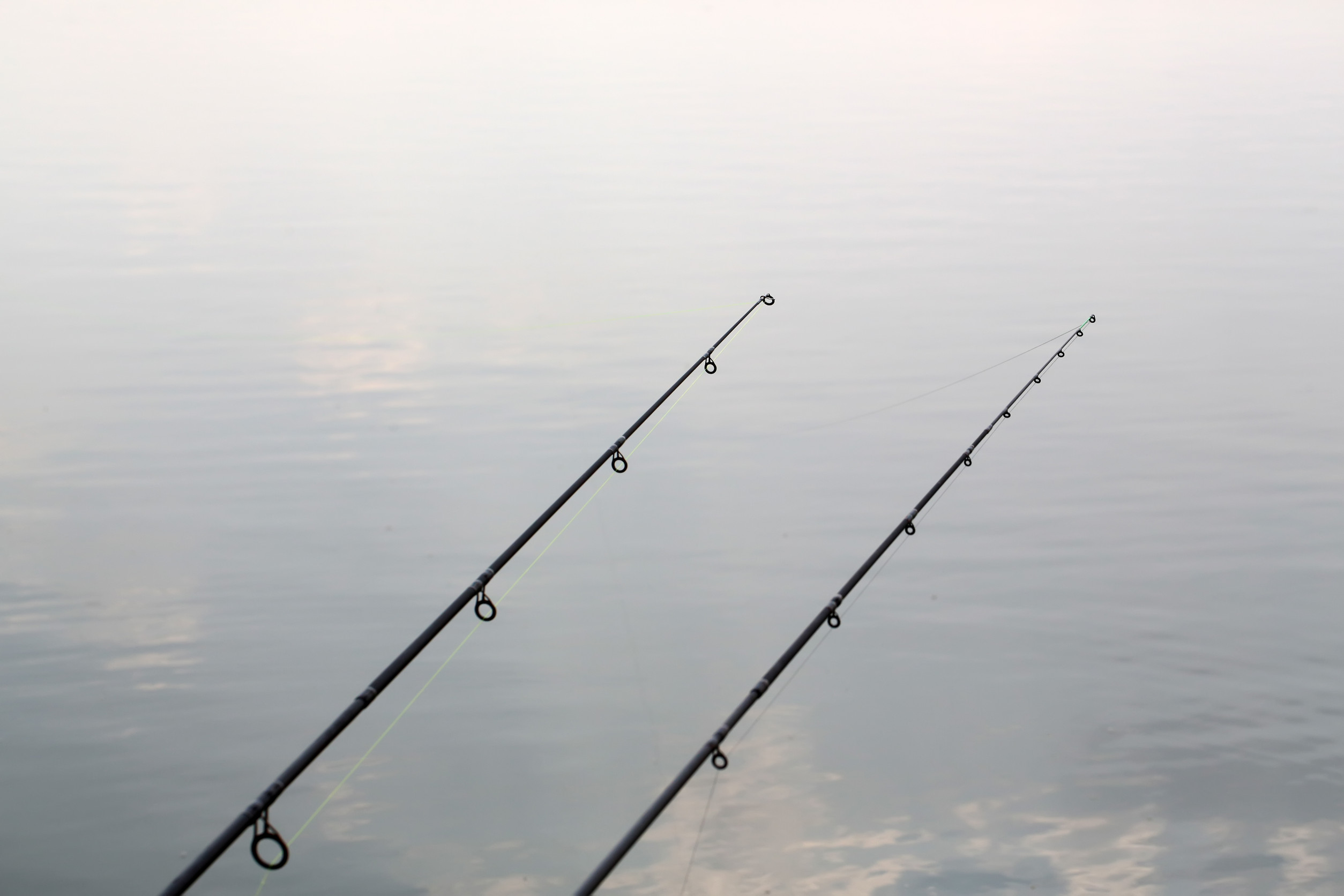
Custom fishing rods live at the intersection of craft, engineering, and personal preference. For anglers who fish often—especially in a place like Minnesota, where the seasons, species, and waters shift constantly—a rod is more than a stick with guides. It’s a lever, a sensor, and a comfort tool that can quietly improve your hooksets, reduce fatigue, and sharpen your control.
This guide is designed as a reference page for anyone exploring custom fishing rods: what they are, how they’re made, what matters in the specs, and how to think through your options. It draws on LakeLady Custom Fishing Rods’ published materials about their process, rod series, and comparisons, along with a couple of neutral, educational resources about rod mechanics.
“Custom” is a sliding word. At one end you have cosmetic personalization—colors, wraps, maybe a name. At the other end, you have a fully tuned instrument built around how you fish, where you fish, and how your hands and body interact with gear.
LakeLady positions its builds in that second category. Their site emphasizes three things that separate a true custom rod from a good off-the-rack model:
That combination produces something that feels “right” faster than you can explain. The rod loads when you want, recovers cleanly, and transmits subtle bites without requiring a death grip.
Minnesota is a state of contrasts: gin-clear lakes, stained rivers, shallow weed mats, deep rock humps, icy midwinter bite windows, and sudden weather mood swings. A single “all-purpose” rod can catch fish here—but it’s often a compromise.
Custom rods shine in environments with variety because you can build around your real use cases:
LakeLady’s “Series Rods” page is basically a menu for this reality: a set of defined, technique-ready builds that still sit on a custom foundation. Instead of forcing you into a generic mold, each series is meant to cover a real fishing lane, from weekend versatility to specialized performance.
Before choosing a custom build, it helps to understand the hardware logic behind how rods behave. Two key concepts that anglers hear constantly—but don’t always use precisely—are action and power.
Action describes how far down the blank the bend travels under load. Extra-fast actions flex mainly near the tip; moderate actions flex deeper; slow actions bend through much of the rod.
What that means on the water:
Neutral rod-education sources explain this power/action relationship clearly, and both LakeLady’s process and comparison pages rely on the same fundamentals.
Power is the rod’s overall stiffness—light, medium, heavy, and so on. It influences casting range, lure control, and your ability to steer fish out of cover.
A custom builder uses power and action as a framework, then tunes around the line you prefer, your reel weight, and the techniques you actually reach for.
Most anglers notice rod labels like “graphite,” “carbon,” or “fiberglass,” but the meaningful difference is how those materials are used and at what modulus.
LakeLady’s Weekender series, for example, uses an RX6 standard modulus graphite blank in a 6’10” one-piece layout. Standard modulus graphite tends to offer a friendly mix of durability and feel—good for broad use. Their more advanced builds step into higher-end blanks and component packages for sharper transmission and reduced weight.
In practical terms:
The custom advantage is not “graphite vs. fiberglass” as a binary. It’s selecting the right blank family for your fishing style, then assembling with techniques that preserve that blank’s intended behavior.
A good blank is the heart of the rod, but components shape the experience you notice every cast.
Guide size, spacing, and frame type influence line flow, sensitivity, and durability. LakeLady notes the use of premium guide systems and careful placement as part of their process. In custom building, guide trains are not just installed—they are aligned to how the blank naturally loads.
Grip material and contour change fatigue and control. Full cork, split grips, and alternative materials all have trade-offs in weight, feel, warmth in cold weather, and long-term comfort.
LakeLady’s process stresses that grip and reel seat positioning are tailored to your hand size and reel setup. That’s not fluff: if the balance point is even an inch off for your wrist mechanics, you feel it after hours of casting.
Reel seat ergonomics affect how well you can sense vibration coming through the blank. A minimalist seat might boost feel, while a larger seat might protect hands in cold conditions. The “right” choice depends on your preferences.
LakeLady offers both their defined Series Rods and made-to-order builds. Think of these as different entry ramps:
Either way, the same logic applies: a rod should support your decisions on the water, not ask you to adjust around it.
LakeLady’s “Our Process” page lays out a classic high-touch custom workflow:
That kind of process matters because it prevents “custom in name only.” Custom rods are as good as the builder’s listening skills and repeatable craft.
If you’re early in your custom-rod journey, these are useful questions to have in your pocket:
LakeLady’s comparison page also makes a fair point: price is only a slice of value. Performance longevity and fit can matter more over years of fishing than the upfront difference.
A thoughtful build paired with premium components tends to last longer—assuming it’s treated like gear, not a shovel. Custom rods commonly offer:
The result is a rod that doesn’t just catch fish well in year one, but stays consistent through seasons of use.
Good rods help you fish. Great rods help you feel fishing—what your lure is doing, what the bottom is saying, when a bite is a whisper not a slam. Custom rods are ultimately about that translation between water and hand.
LakeLady’s materials frame custom building as practical artistry: a blend of performance, precision, and personal fit. Whether you choose a defined series model or a full custom commission, the smartest approach is the same: build around how you truly fish, then let craftsmanship do the rest. For more information use this web resource.