
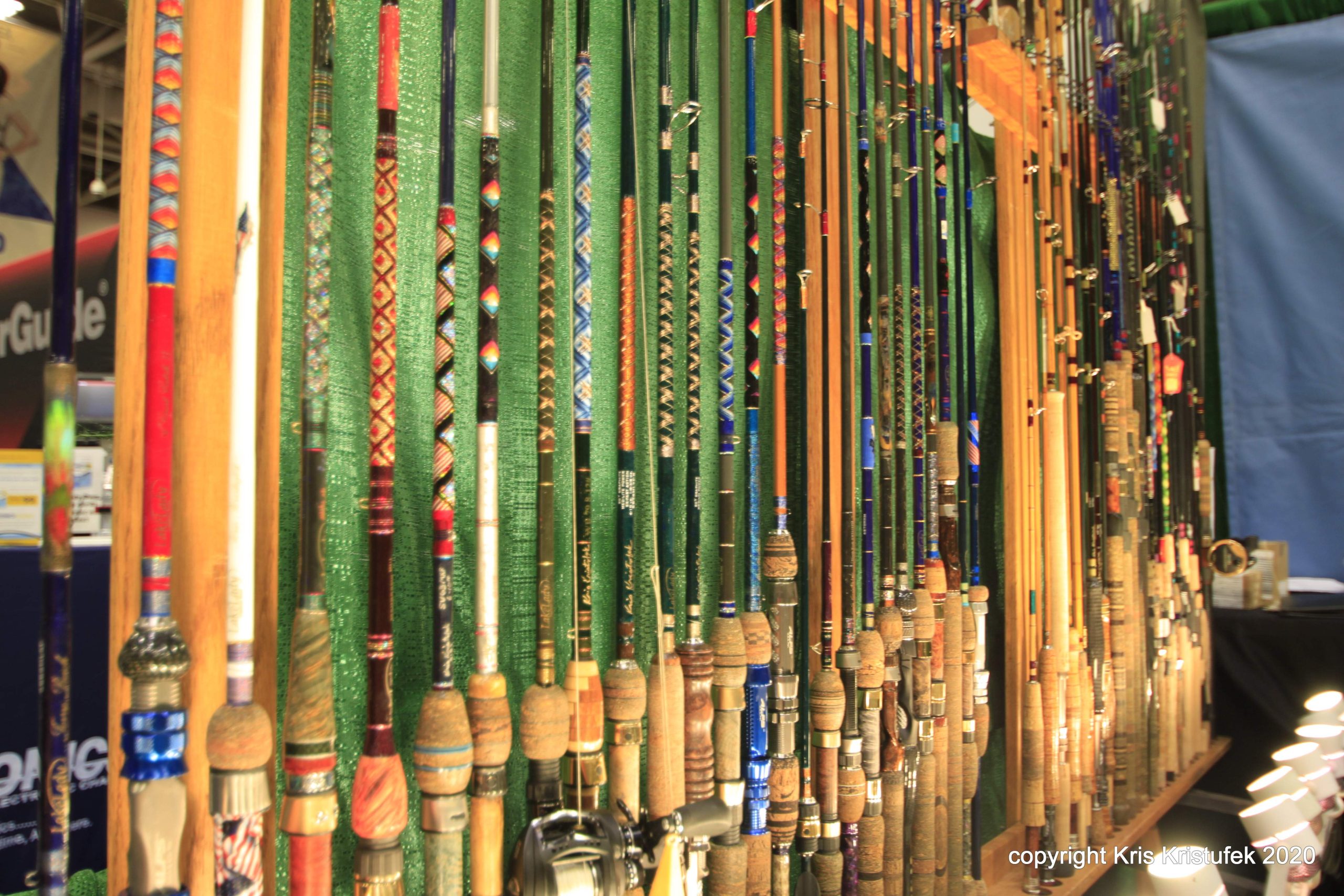
When Minnesota’s open-water fishing season winds down, most anglers begin thinking about putting the boat away, organizing tackle, and preparing for winter. But there’s one important piece of equipment that deserves attention before everything goes into storage: your fishing rods.
After months of casting, jigging, trolling, and battling fish, your rods have likely collected dirt, sunscreen, fish slime, and ordinary wear. Even when a rod looks perfectly fine, small problems can go unnoticed until the following spring.
Proper fishing rod storage is about more than finding an empty corner of the garage. It’s about protecting the blank, guides, grips, reel seat, and other components that contribute to the rod’s performance.
Whether you own a handcrafted LakeLady rod or a collection of everyday fishing equipment, these ten steps will help you prepare your rods for Minnesota’s off season.
One of the easiest mistakes anglers make is putting equipment away immediately after the final fishing trip.
A rod may appear clean, but residue can remain around the guides, reel seat, and handle. Moisture trapped beneath dirt or inside a storage case can also create problems.
Before beginning your fishing rod maintenance, gather a few basic supplies:
You don’t need expensive cleaning products or complicated equipment.
In fact, harsh chemicals, abrasive pads, and aggressive cleaning methods can do more harm than good.
The goal is to remove accumulated residue, identify damage, and prepare each rod for several months without use.
The first major step in preparing equipment for winter is a complete cleaning.
Even freshwater fishing exposes rods to algae, sediment, sunscreen, oils, and other materials that accumulate throughout the season.
To clean fishing rods, begin by wiping the blank with a soft cloth dampened with warm water and mild soap.
Work gently from the handle toward the tip, paying attention to areas where dirt collects around guide wraps and other components.
For stubborn residue, use a soft brush rather than scraping the surface.
After cleaning, wipe away soap residue with a clean, damp cloth.
Avoid harsh solvents, abrasive cleaners, and excessive pressure that could damage finishes or decorative components.
Most importantly, allow the rod to dry completely before placing it inside a sleeve, tube, or enclosed storage space.
Guides frequently collect residue that isn’t immediately visible.
Use a soft toothbrush or cotton swab to clean around the guide frames and inserts.
Keeping these areas clean helps protect fishing line and makes it easier to identify damage during your inspection.
Rod guides are among the most important components to examine before storage.
A chipped or cracked guide insert can damage fishing line, reduce casting performance, or contribute to an unexpected break during a future trip.
Carefully inspect each guide, including the tip-top.
Look for:
A useful inspection method involves gently passing a cotton swab around the inside of each guide.
If cotton fibers catch on a rough spot, the insert may be damaged.
Don’t continue rubbing the area or assume the problem is harmless. A damaged guide should be evaluated before the rod returns to service.
Addressing guide problems during the off season means one less surprise when spring fishing begins.
The blank is the foundation of your fishing rod.
It determines many of the rod’s performance characteristics, including power, action, and responsiveness.
While modern fishing rod blanks are designed to withstand normal fishing demands, accidental impacts can cause damage.
During your end-of-season inspection, examine the blank under good lighting.
Pay attention to:
Small cosmetic marks aren’t necessarily structural problems. However, visible cracking, crushing, or suspicious damage deserves professional evaluation.
Never assume that a compromised blank can be safely repaired with ordinary household adhesive.
A damaged blank may require specialized assessment, and some structural damage cannot be reliably repaired.
For owners of handcrafted rods, this inspection is an important part of responsible custom rod care.
Fishing rod handles experience constant contact with hands, sunscreen, fish slime, and moisture.
Over time, those materials can leave grips dirty or uncomfortable.
The appropriate cleaning method depends on the handle material.
Cork is popular because of its comfortable feel and lightweight characteristics.
Use a damp cloth and mild soap to remove accumulated dirt.
For stubborn areas, gently scrub with a soft toothbrush.
Avoid soaking the cork or using aggressive cleaners that could damage the surface.
EVA foam is generally easy to maintain.
Wipe the grip with warm water and mild soap, gently remove stubborn residue, and allow it to dry thoroughly.
Custom fishing rods may feature specialized grip materials, decorative wraps, or unique finishes.
These components should be cleaned according to the builder’s recommendations.
LakeLady Custom Fishing Rods emphasizes individualized craftsmanship, making proper care particularly worthwhile for rods with personalized components.
The reel seat is another area that deserves attention before winter.
Throughout the season, dirt, moisture, and debris can collect around the reel foot and locking mechanism.
Removing the reel allows you to clean areas that are otherwise difficult to reach.
Use a soft cloth or brush to remove residue from the reel seat and threads.
Inspect for corrosion, damaged threads, loose components, or other signs of wear.
Allow everything to dry before reassembling or storing.
Reels also require their own maintenance.
Depending on the manufacturer’s instructions, that may include cleaning, lubrication, inspecting fishing line, and loosening the drag before extended storage.
Avoid spraying high-pressure water into a reel or applying lubricants indiscriminately.
Rod and reel maintenance should complement each other, but each component has different requirements.
Fishing line may not be part of the rod itself, but its condition affects the performance of the entire setup.
After a full season, line may show abrasion, discoloration, excessive memory, or other signs of deterioration.
Inspect the line for visible damage, especially near the terminal end where contact with rocks, vegetation, and structure is common.
Pay attention to:
If the line is worn, replacing it before the next fishing season may be appropriate.
Some anglers prefer removing old line during fall maintenance, while others inspect and replace it when preparing for spring.
Either approach can work, provided the line is evaluated before use.
Store spare line away from excessive heat and direct sunlight, and dispose of discarded line through an appropriate recycling program whenever available.
Where you store your rods can be just as important as how you clean them.
For Minnesota anglers, garages, sheds, boats, and other storage spaces may experience significant seasonal temperature changes.
The preferred location for off season fishing rod storage is clean, dry, protected, and reasonably temperature-stable.
Indoor storage is often ideal.
Avoid locations where rods may be exposed to:
A damp garage corner or crowded storage area may expose rods to unnecessary risk.
Rods should also be positioned where they cannot be stepped on, knocked over, or damaged by moving equipment.
Taking a little time to organize the storage area can prevent costly accidents.
Proper positioning is essential when deciding how to store fishing rods for winter.
A rod should never remain under unnecessary bending pressure for extended periods.
Vertical rod racks and properly supported horizontal racks are both useful options.
The important consideration is keeping the rod straight, supported, and free from external pressure.
Avoid leaning rods sharply against a wall or placing heavy equipment on top of them.
Rod sleeves can help protect guides and finishes from scratches and accidental contact.
Hard-sided cases may offer additional protection in crowded storage environments.
However, never seal a damp rod inside an enclosed case.
For multi-piece rods, separate the sections carefully, clean the connections, and store them according to the manufacturer’s recommendations.
Good fishing rod storage should protect the equipment without creating pressure points or trapping moisture.
One of the biggest advantages of end-of-season maintenance is discovering problems while there’s still time to address them.
Instead of waiting until the first warm weekend of spring, make a simple record of anything that needs attention.
Your checklist might include:
This is also a useful time to evaluate whether your current rods match the techniques you enjoy most.
Perhaps you spent the season wishing for a more sensitive walleye jigging rod, a better-balanced bass rod, or a more comfortable grip.
Those observations can guide future equipment decisions.
A custom fishing rod is designed around specific performance and comfort preferences.
LakeLady Custom Fishing Rods considers factors such as target species, fishing techniques, rod length, power, action, grip fit, and reel balance when creating a personalized setup.
Those details contribute to the overall fishing experience.
Proper fishing rod care helps preserve the components and craftsmanship that make the rod unique.
That doesn’t mean custom rods require complicated maintenance.
The same fundamentals apply: keep equipment clean, inspect it regularly, avoid unnecessary impacts, and store it properly.
What matters most is consistency.
A few minutes of attention after fishing, followed by a thorough end-of-season inspection, can help prevent small problems from becoming larger ones.
Even experienced anglers occasionally develop habits that put their equipment at risk.
Some of the most common mistakes include storing rods while damp, leaving hooks attached where they can damage guides, overlooking cracked inserts, and keeping rods under bending pressure.
Another frequent mistake is placing rods loosely in a crowded garage where other equipment can fall against them.
Avoid treating fishing rods as ordinary storage items.
They are precision tools designed to bend and respond in specific ways during use.
Protecting them from unnecessary pressure and accidental damage helps maintain their intended performance.
The end of Minnesota’s open-water fishing season is an ideal opportunity to take care of equipment that has worked hard all year.
Cleaning the blank, inspecting guides, checking the handle and reel seat, evaluating fishing line, and choosing a safe storage location are straightforward steps that can make a meaningful difference.
Proper fishing rod storage doesn’t require an elaborate system. It requires a clean, dry environment, appropriate support, and attention to the components that matter most.
Whether you’re maintaining a favorite walleye rod, a dependable bass setup, or a handcrafted custom fishing rod, taking care of your equipment now helps make the transition into next season easier.
When spring finally returns to Minnesota, your attention can be on the water rather than discovering problems that could have been addressed months earlier.
For information about custom fishing rods, rod components, maintenance considerations, or personalized rod-building options, contact:
LakeLady Custom Fishing Rods
29297 Piney Way
Breezy Point, MN 56472
Phone: (218) 251-2626
Email: rodbuilder@lakeladyrods.com