
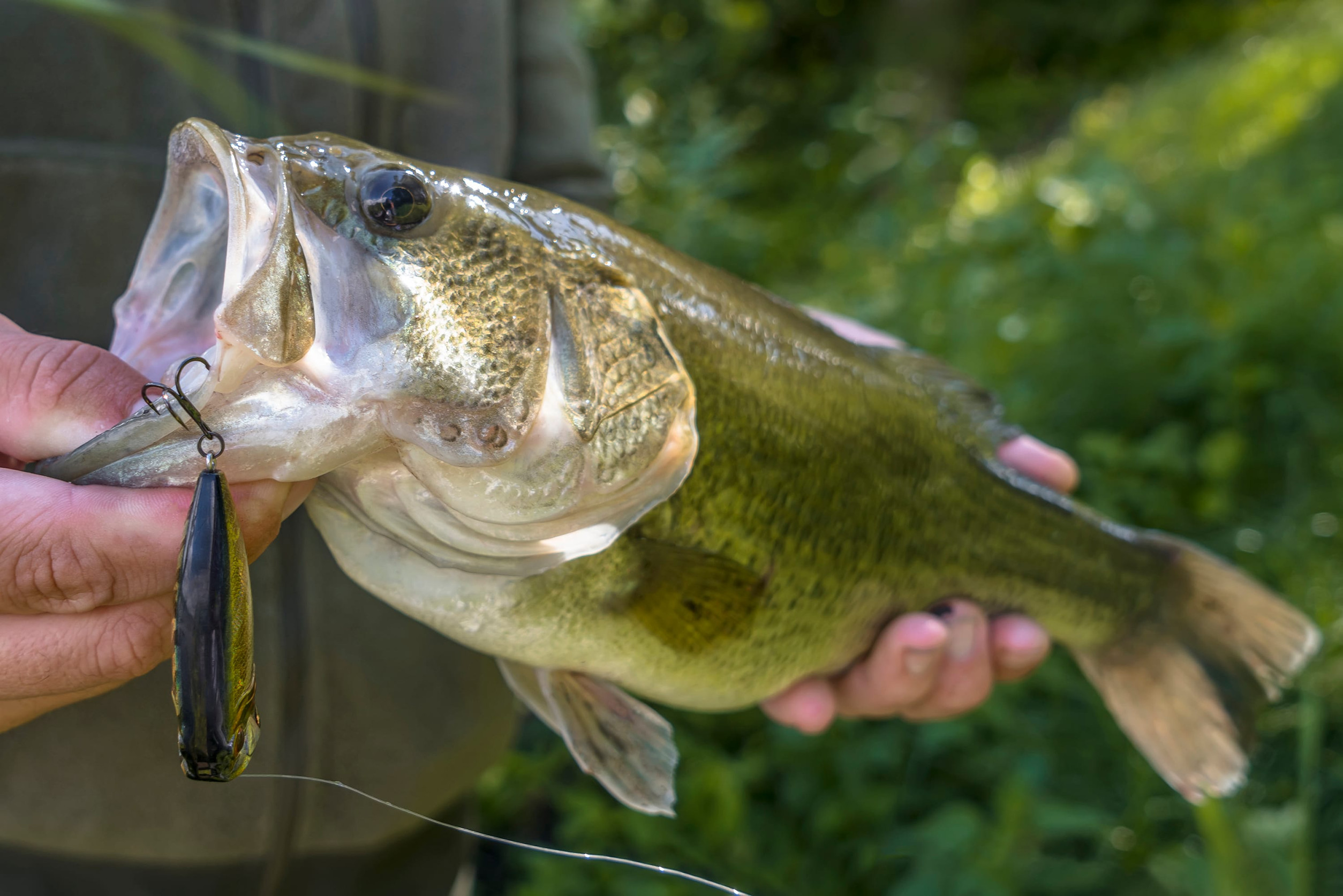
Bass fishing is one of the fastest-growing freshwater sports in Minnesota, and for good reason. From largemouth bass hiding beneath lily pads to hard-fighting smallmouth cruising rocky shorelines, bass offer exciting action from spring through fall. Yet one of the biggest questions anglers ask—especially those just beginning to build their tackle collection—is whether they should choose a spinning rod or a casting rod.
The answer isn’t always as simple as choosing one over the other. Both spinning and casting rods have unique strengths, and understanding when each excels can dramatically improve your success on the water. The right rod setup affects everything from casting accuracy and lure presentation to hook-setting power and overall comfort.
Whether you’re fishing neighborhood lakes, exploring Minnesota’s renowned bass fisheries, or upgrading from entry-level equipment, understanding the differences between spinning and casting rods can help you make a more informed decision. For anglers who value precision and performance, a handcrafted custom rod built specifically for your fishing style can make that decision even more rewarding.
Although spinning and casting rods may appear similar at first glance, they’re engineered differently to perform specific tasks.
A spinning rod features guides mounted on the underside of the blank and is paired with a spinning reel that hangs beneath the rod. This design allows line to flow freely from the spool, making it easier to cast lighter lures with fewer backlashes.
A casting rod places its guides on top of the blank and is paired with a baitcasting reel mounted above the handle. This setup provides greater control, increased power, and better accuracy when throwing heavier lures or fishing around thick cover.
Neither system is inherently better—the best choice depends on your preferred techniques, lure selection, and fishing experience.
Many experienced bass anglers carry both spinning and casting setups because each fills a different role.
Spinning gear excels with finesse presentations, light lines, and smaller baits.
Casting gear shines when fishing heavier lures, pulling fish from vegetation, or making repeated, accurate casts around structure.
Rather than replacing one another, these setups complement each other throughout the fishing season.
For many anglers, a spinning rod is where bass fishing begins.
Spinning equipment is generally easier for beginners because it requires less practice to cast effectively. Without the risk of backlash common to baitcasting reels, anglers can spend more time fishing and less time untangling line.
Small soft plastics, Ned rigs, drop shots, tubes, and weightless worms cast much more efficiently on spinning gear.
This makes spinning rods an excellent choice for:
Spinning reels manage lighter fishing lines exceptionally well.
Whether using braid with a fluorocarbon leader or straight fluorocarbon, spinning equipment minimizes line twist and improves casting distance with lightweight presentations.
Once anglers become comfortable with baitcasting equipment, many discover advantages that spinning gear simply can’t duplicate.
Casting rods provide more leverage for:
This additional backbone helps drive hooks home while maintaining control over larger bass.
Experienced anglers appreciate the pinpoint accuracy baitcasters offer around:
Being able to place a lure precisely where bass are hiding often results in more strikes.
Baitcasting reels allow anglers to control the spool with their thumb, making it easier to slow a lure during flight and quietly present it in tight locations.
Recommended setup:
Ideal for:
Recommended setup:
This setup provides the sensitivity needed to detect subtle bites while delivering strong hooksets.
A casting rod is the preferred option because it offers excellent control when working around docks, rocks, and submerged wood.
Most anglers favor casting equipment for these moving baits due to improved casting accuracy and hook-setting power.
Casting rods with a moderate action help absorb aggressive strikes and keep treble hooks secure throughout the fight.
Both setups have their place.
Smaller walking baits and poppers often perform well on spinning gear, while frogs and larger buzzbaits are usually better matched with casting equipment.
Regardless of reel type, rod length influences performance.
Excellent for:
The most versatile option.
Many bass anglers consider a seven-foot rod the perfect compromise between distance, leverage, and comfort.
Better suited for:
Choosing between spinning and casting is only part of the equation.
Selecting the proper power and action is equally important.
Perfect for finesse presentations.
An excellent all-around option for spinning gear.
The workhorse of bass fishing.
Best for thick cover and large presentations.
Fast-action rods remain the most versatile because they offer excellent sensitivity and quick hooksets.
Moderate-action rods continue to excel with crankbaits and other treble-hook lures.
Minnesota offers tremendous diversity in bass fishing.
On smaller northern lakes with clear water and cautious fish, spinning rods often dominate finesse presentations.
On heavily vegetated lakes filled with lily pads, reeds, and cabbage weeds, casting rods provide the power needed to extract bass before they bury themselves in cover.
Many anglers eventually discover that owning both allows them to adapt quickly without constantly retying lures.
Whether you prefer spinning or casting equipment, the quality of the rod itself has a tremendous impact on your experience.
A custom-built fishing rod offers advantages including:
Rather than purchasing a rod designed for the average angler, a custom rod is built specifically for how you fish.
LakeLady Custom Fishing Rods offers handcrafted spinning and casting models built one at a time by Guild Certified Professional Rod Builder Kris Kristufek. Every rod reflects more than 25 years of craftsmanship and can be tailored to an angler’s preferred techniques and style.
If you’re gradually building your bass fishing equipment, consider this progression:
Rod #1
Rod #2
Rod #3
This combination covers nearly every bass fishing presentation encountered across Minnesota lakes.
When choosing between spinning and casting equipment, avoid these common mistakes:
The rod and reel should function as a balanced system rather than separate purchases.
Choosing between spinning and casting rods doesn’t have to be an either-or decision. Both styles have earned a permanent place in bass fishing because they solve different challenges on the water.
A spinning rod offers simplicity, finesse, and exceptional versatility with lighter presentations, while a casting rod provides the strength, accuracy, and control needed for heavier lures and dense cover. As your skills grow, you’ll likely find that both belong in your boat or on the shoreline with you.
The most important factor isn’t simply whether you choose spinning or casting—it’s selecting a rod that matches the techniques you enjoy most. A thoughtfully crafted custom rod can enhance sensitivity, improve balance, reduce fatigue, and make every cast feel more natural. For Minnesota bass anglers, that personalized performance can translate into more confidence and more enjoyable days on the water.
LakeLady Custom Fishing Rods builds handcrafted spinning and casting rods designed around each angler’s fishing style. Every rod is crafted individually using premium components and more than 25 years of rod-building expertise.
LakeLady Custom Fishing Rods
29297 Piney Way
Breezy Point, MN 56472
Phone: (218) 251-2626
Email: rodbuilder@lakeladyrods.com
Website: https://lakeladyrods.com/