
Fishing has long been associated with patience, skill, and a deep appreciation for the outdoors. For many anglers, the equipment used on the water plays a significant role in shaping the overall experience. Among the most important pieces of gear is the fishing rod itself.
While most anglers purchase rods ready to use, some take a more hands-on approach by learning how rods are built. Rod building classes offer anglers the opportunity to understand the craftsmanship behind custom rods while creating one of their own.
In Minnesota—home to thousands of lakes and a thriving fishing community—rod building classes have become a unique way for anglers to connect more deeply with their equipment and the sport itself.
A rod building class is a structured workshop where participants learn the fundamentals of constructing a custom fishing rod. Under the guidance of an experienced rod builder, students assemble a rod from individual components.
These classes typically cover each step of the rod building process, including:
Participants work with the same components used in professionally built custom rods. By the end of the class, students leave with a completed fishing rod they built themselves.
Beyond the finished rod, the experience provides valuable insight into how rod design influences performance on the water.
Fishing rods are widely available in stores, but building a rod offers a completely different perspective on fishing equipment.
For many anglers, the appeal of rod building classes comes from several key benefits.
When anglers assemble a rod themselves, they gain a better understanding of how each component contributes to overall performance.
For example:
This knowledge helps anglers make more informed decisions when selecting or using fishing gear in the future.
Rod building classes allow anglers to customize their rods in ways that mass-produced equipment cannot.
Participants may choose from different:
These choices allow each rod to reflect the angler’s preferred fishing techniques and personal style.
There is a unique sense of accomplishment that comes from building something by hand. Many anglers find that constructing their own rod adds sentimental value to the equipment they use.
Each time the rod is used on the water, it serves as a reminder of the experience and craftsmanship involved in creating it.
While rod building may sound complex, classes break the process down into manageable steps that are easy to follow.
The rod blank is the backbone of the fishing rod and determines much of its performance.
During the class, instructors typically explain the differences between various blank materials and designs, including graphite and composite blanks.
Participants learn how rod length, power, and action influence how the rod performs when fishing for different species.
Once the blank is selected, students install the handle and reel seat.
The handle provides the grip and comfort needed for long fishing sessions, while the reel seat secures the fishing reel to the rod.
This step involves carefully aligning components and ensuring they are securely attached.
Guides are the small rings that guide the fishing line along the rod.
Proper guide placement is important for:
Instructors demonstrate how to space guides correctly and align them so the rod performs efficiently.
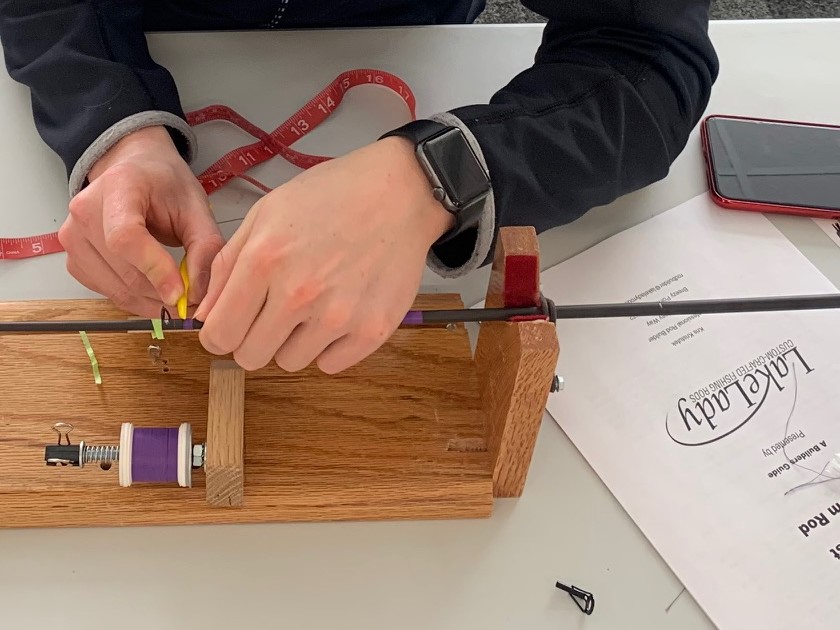
Thread wrapping is one of the most recognizable parts of rod building.
Students wrap thread around the guides to secure them to the rod blank. This process requires precision and patience but also allows for creative customization.
Different thread colors and wrap styles can be used to give the rod a distinctive appearance.
The final step involves applying a protective finish over the thread wraps.
This finish protects the thread from wear while also giving the rod its polished look.
Once the finish cures, the rod is ready for use on the water.
One of the most valuable aspects of rod building classes is the opportunity to learn directly from experienced professionals.
A skilled rod builder brings years of knowledge about rod design, materials, and fishing techniques. During a class, students often gain insights that go beyond the basic construction process.
Topics may include:
At LakeLady Custom Fishing Rods in Breezy Point, Minnesota, rod building classes are taught by Guild Certified Professional Rod Builder Kris Kristufek, who has spent decades building custom rods and teaching others the craft. These classes focus on both the technical process and the enjoyment of learning a specialized skill within the fishing community.
Minnesota’s reputation as a fishing destination makes it an ideal place to learn rod building.
Anglers in the region regularly pursue species such as:
Because each species requires slightly different equipment and techniques, rod building classes provide an opportunity to create rods tailored to local fishing conditions.
Participants often design rods specifically suited to the waters they fish most frequently.
For example:
Building a rod designed for the lakes and rivers you fish regularly can make the experience especially meaningful.
Rod building classes are not only educational—they also bring anglers together.
Participants often share fishing stories, techniques, and experiences while working on their rods. This collaborative environment helps create a sense of community among anglers who share a passion for the sport.
Many students attend classes with friends or family members, turning the workshop into a memorable outing.
In some cases, anglers return to future classes to build additional rods or refine their skills.
When the class is complete, participants leave with more than just a fishing rod. They leave with knowledge, skills, and an appreciation for the craftsmanship involved in custom rod building.
A rod built during a class often becomes a favorite piece of equipment because it represents both personal effort and learning.
For many anglers, that connection adds an extra layer of enjoyment every time they head out on the water.
Fishing is about more than catching fish—it’s about the experience, the environment, and the equipment that connects anglers to the water.
Rod building classes offer a rare opportunity to explore the craftsmanship behind one of fishing’s most important tools. By building a rod from the ground up, anglers gain insight into rod design, improve their understanding of fishing equipment, and create a rod tailored to their own style.
For anglers interested in learning more about custom rods, rod building classes provide a rewarding hands-on experience that combines education, creativity, and fishing culture.
LakeLady Custom Fishing Rods
29297 Piney Way
Breezy Point, MN 56472
Phone: (218) 251-2626
Email: rodbuilder@lakeladyrods.com
Rod building classes and custom rod consultations are typically scheduled by appointment.