
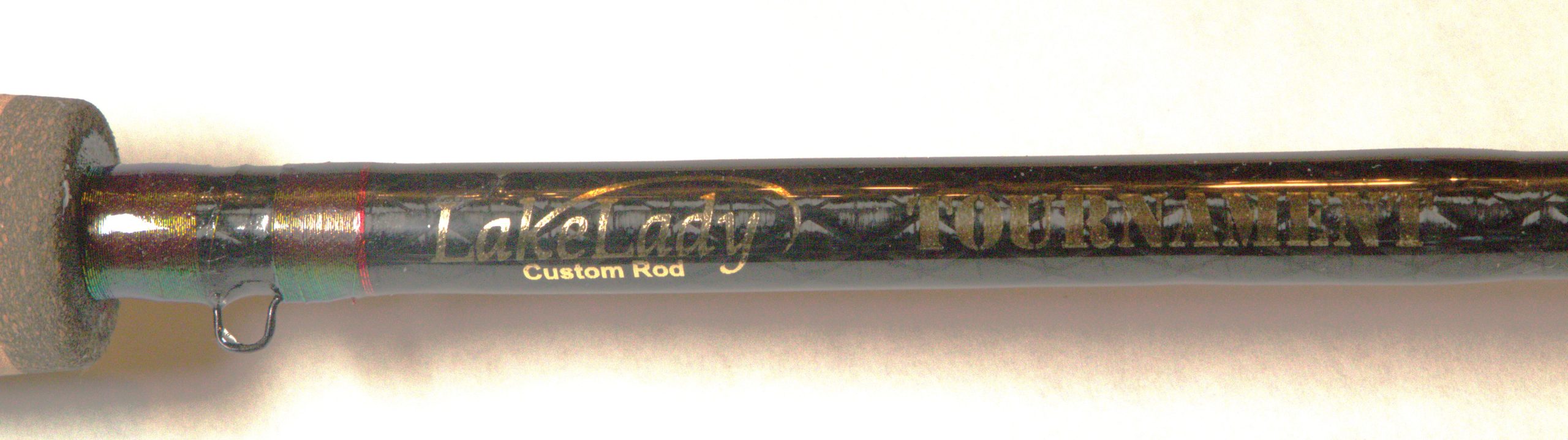
When anglers talk about upgrading their gear, most conversations revolve around reels, line strength, or lure selection. Yet one of the most overlooked performance factors in fishing is rod fit. A custom fishing rod is more than a premium piece of equipment — it is a precisely built tool designed around your physical characteristics, fishing style, and performance goals.
At LakeLady Custom Fishing Rods, personalization begins long before the first component is assembled. Every build starts with understanding the angler. Because no two fishermen or women cast, retrieve, or fight fish in exactly the same way, a rod built to “average” specifications simply cannot match the comfort and balance of a rod built specifically for you.
This guide explains why measurements matter, how custom rod personalization improves performance, and what you should expect during the custom rod building process.
Most store-bought fishing rods are mass-produced with generalized specifications. They are built to appeal to a wide audience, which means compromises are inevitable. Handle lengths are standardized. Grip diameters are uniform. Balance is predetermined. These rods may perform adequately, but they are not tailored.
A custom fishing rod eliminates those compromises.
When a rod fits properly:
Think of it the same way you would think about a properly fitted pair of boots. The right fit doesn’t just feel better — it performs better.
One of the most important aspects of a true 100% custom fishing rod is measurement. Before building begins, several critical specifications must be determined.
Handle length significantly affects leverage and comfort. Some anglers prefer a shorter handle for tighter casting situations, such as dock fishing or kayak angling. Others may benefit from a longer handle to provide additional support and casting power.
If you prefer your handle to be two inches shorter or two inches longer than standard, that is exactly how it should be built. Custom means built to your exact preference — not adjusted to fit a factory mold.
Hand size matters. Anglers with larger hands may require a more substantial grip diameter for comfort and control. Those with smaller hands often benefit from a slimmer profile for finesse techniques.
Proper grip sizing reduces muscle strain and improves tactile sensitivity. Over the course of a long day on the water, these subtle ergonomic differences can make a noticeable impact.
Rod length should align with how and where you fish. Longer rods often assist with casting distance and line control in open water. Shorter rods may provide greater accuracy in confined areas.
A custom build accounts for:
Rather than selecting from a limited rack of preset lengths, your rod is built to match your fishing reality.
Balance is rarely discussed in retail environments, yet it dramatically affects how a rod feels in your hands.
During the custom consultation process, you may be asked:
Each preference changes how the rod performs.
A tip-heavy rod may enhance sensitivity for certain techniques. A butt-heavy configuration can provide added leverage during aggressive hooksets. A neutral balance often offers versatility across multiple applications.
These are the kinds of decisions that distinguish a true custom fishing rod from a standard off-the-shelf model.
Your reel is not an afterthought — it is part of the system.
Reel weight, reel type, and mounting position all influence rod balance and performance. A spinning reel differs from a baitcasting reel in weight distribution and ergonomics. If a rod is not built with your specific reel in mind, the final product may feel awkward or improperly balanced.
That is why custom builders ask which reel you plan to attach before the rod is constructed. Integrating this information ensures the completed rod and reel combination functions as a unified, balanced tool.
A personalized fishing rod should reflect how you fish.
Before construction begins, it is important to identify:
Different species demand different actions and power ratings. Lure weight and presentation style influence rod sensitivity and backbone requirements. A rod built for light finesse applications will differ greatly from one designed for heavier power techniques.
This conversation is foundational to the custom rod building process.
Over the past 26 years, rod building technology has evolved significantly. Today’s premium custom rods utilize advanced materials that dramatically enhance performance and durability.
Modern carbon fiber blanks offer improved strength-to-weight ratios. High-quality scrim materials provide exceptional responsiveness while maintaining structural integrity.
Guide inserts influence line flow and durability. Advanced ceramics reduce friction, increase casting efficiency, and withstand long-term wear.
Locking reel seats have improved in both function and durability. A secure reel seat prevents movement and maintains consistent alignment during use.
Clear, smooth epoxy finishes protect thread wraps and ensure a professional appearance. Modern formulations are more resilient and visually refined than those used decades ago.
These advancements allow custom builders to produce rods that are lighter, stronger, and more refined than ever before.
Performance is paramount — but aesthetics matter too.
With a custom rod, color choices, thread accents, and finishing details reflect your personal style. Whether you prefer subtle tones or bold combinations, the design becomes uniquely yours.
Many anglers also choose to include:
These personalized touches transform a fishing rod from equipment into a signature piece.
Unlike large sporting goods retailers, a true custom builder incorporates these details as part of the build — not as an afterthought.
True customization takes time. Precision cannot be rushed.
At LakeLady Rods, there is no warehouse of finished inventory waiting to ship. Each rod is built individually based on consultation and confirmed specifications. This ensures every rod reflects the angler’s unique measurements and preferences.
The process typically includes:
This level of attention to detail is what defines a genuine custom fishing rod builder.
A lifetime of fishing experience informs better builds.
Having fished across numerous states and multiple continents, experienced builders understand that conditions vary dramatically. Techniques that work in northern freshwater lakes may differ from those required elsewhere. That real-world experience translates into informed recommendations during the design phase.
The result is a rod aligned not only with your measurements, but also with your fishing aspirations.
The differences between custom fishing rods and mass-produced models extend beyond personalization.
| Store-Bought Rod | Custom Fishing Rod |
|---|---|
| Built to general specs | Built to your measurements |
| Limited grip options | Personalized grip size and length |
| Predetermined balance | Adjustable balance preference |
| Minimal personalization | Custom colors and inscriptions |
| Mass produced | Individually crafted |
For anglers who value precision and fit, customization offers measurable advantages.
A fishing rod should feel natural in your hands — not something you have to adjust to. When measurements, balance, reel compatibility, and aesthetics are all aligned, the rod becomes an extension of the angler.
Custom fishing rod personalization is not about extravagance. It is about precision, comfort, and alignment with how you fish.
That is the philosophy behind every LakeLady Custom Fishing Rod.
LakeLady Custom Fishing Rods
Phone: 218-251-2626
Website: https://lakeladyrods.com/
LakeLady Rods is a true 100% custom rod builder with no finished inventory beyond personal rods used for fishing. Each build begins with a detailed conversation to ensure proper measurements, balance, and personalization. If you have questions about the custom rod building process, materials, or specifications, the team is available to discuss your fishing goals and preferences.
hello world says:
hello world
hello world